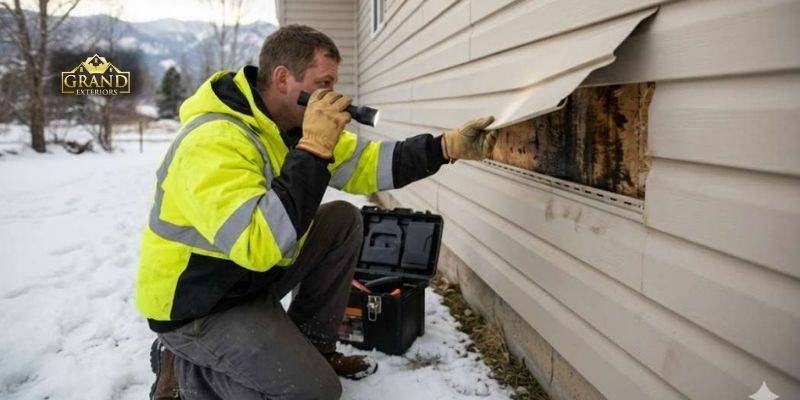
Knowing how to prepare siding for winter matters as much as winterizing your roof and windows. This is not just for your roof and windows, but for your siding to be ready for the harsh temperatures of winter. Your home will ultimately be exposed to:
- Cracks and warping
- Water damage
- Mold formation on its exterior surfaces
If your siding is well taken care of before the cold season sets in, you’ll save a lot on expensive repairs and be sure that your home will be insulated and safe all through winter. Whether vinyl, wood, or cement fiber siding, it’s worth the preparation to protect your home from a terrible winter. These steps will also help prevent winter siding damage before it starts.
This blog is designed to take you through certain professional tips and recommendations for siding on how to winterize siding effectively.
Cleaning and sealing, and inspecting for damage, are important steps in winter siding preparation and in keeping the exterior of your home in great shape. Prepare a little, pay attention to details, and your siding will last longer, your house’s energy efficiency will improve, and you’ll avoid the discomfort of unexpected issues caused by winter conditions.
Read on to learn how to ensure your siding is ready for whatever winter throws its way.
10 Crucial Tips on How to Protect Siding in Winter
Winter is quite aggressive towards your house’s exterior; however, through proper preparation, your siding maybe protected from harsh winter conditions for many years.
Below are 10 crucial tips to prepare siding for winter and keep it safe guarded against severe winter elements:
1. Inspection of Damage
- Check your siding for any signs of damage before winter sets in. This is the first step in how to prepare siding for winter.
- Look for cracks, chips, or warping in the material.
- Also look for loose panels, especially immediately following storms.
- Identify any visible moisture damage or rot areas.
2. Clean Your Siding
Eventually, the dirt, grime, and mildew might eat into the siding as the materials become prone to moisture.
- Clean siding with a pressure washer or garden hose.
- For difficult stains, apply gently with a soft brush and mild soap.
- Pay attention to the shaded areas that encourage mold and algae growth.
3. Seal Cracks and Gaps
Cracks or gaps in your siding might bring cold air and moisture into your house.
- Apply caulk or weatherproofing sealant on the small holes and cracks for better sealing.
- Pay attention to areas around windows, doors, and corners.
- Sealing gaps improves insulation and prevents drafts.
4. Slap on a Fresh Coat of Paint
Fresh paint will coat wood or fiber cement siding for additional protection.
- Choose a high-quality, weather-resistant paint appropriate for your siding material.
- The surface should be clean and dry before painting.
- Apply primer for improved adhesion and durability.
5. Moisture Problems
Water trapped behind the siding allows for mold growth and structural decay.
- Look for water stains or bubbling on the siding surface. Inspect to ensure drainage around the house does not allow water to pool in or around the siding.
- Replace badly damaged sections of siding.
6. Prune Neighboring Trees and Shrubs
Overhanging branches and unkempt bushes might cause scratches and scrapes to your siding.
- So prune back the branches lying against or rubbing up against the side of the house.
- Clear or trim shrubs and other vegetation growing close to the house to allow airflow.
- This way, you’ll prevent mold and insect infestations.
7. Insulate Your Home Exterior
Proper insulation is beneficial not only for your house but also for your siding during temperature fluctuations. It is one of the best ways to protect siding from cold weather.
- Add foam insulation behind the siding if needed.
- Inspect existing insulation for signs of wear or gaps.
- With appropriate insulation, it helps prevent warping and cracking from changes in temperature.
8. Check and Clean Gutters
Water overspills and destroys the siding when gutters are clogged.
- Clear your gutters and downspouts of any leaves, twigs, and dirt.
- Ensure water drips away from the house by preventing stains around the siding and water accumulation
- Consider installing gutter guards for easier maintenance.
9. Protect Against Pests
In the winter, small animals and insects may attempt to burrow into your siding.
- Seal small holes or cracks that pests may use as an entry point.
- Use pest deterrents like mesh screens over vents or small openings.
- Check regularly for signs of infestation such as nests or droppings.
10. Have Professional Maintenance Done
If your siding has extensive damage or is not in a condition where routine care will suffice, it is advisable to hire a professional.
- The siding professionals will know how to identify other issues you might have missed.
- They will also replace any damaged panels or apply a protective coating on the siding.
- Regular siding maintenance before winter will keep your siding in its best shape all year round.
Frequently Asked Questions
What is the first step in how to prepare siding for winter?
Start with a full inspection. Look for cracks, chips, warping, loose panels, and moisture damage or rot before cold weather arrives.
Should I clean siding before winter?
Yes. Dirt, grime, and mildew can eat into siding and make it more prone to moisture damage. Use a pressure washer or garden hose, and a soft brush with mild soap for tough stains.
How can I prevent winter siding damage?
Seal cracks and gaps, fix moisture problems, keep gutters clear, insulate where needed, and hire a professional if the damage is extensive.
Final Thoughts
These 10 keys on how to prepare siding for winter will ensure your siding is all set for a grueling winter. Well-prepared siding to withstand the entire winter months, regular inspections, proper cleaning, and immediate repairs of faulty areas make it durable and effective in protecting your house from all sorts of elements. With such small effort and attention to detail, your home’s exterior could be kept at its best, providing warmth, comfort, and security throughout the whole season.