Key Takeaways
- Siding maintenance should include regular inspections, cleaning, and timely repairs
- Seasonal routines — especially spring, fall, and winter prep — are essential for long-term durability
- Identifying siding damage signs early prevents costly repairs or full replacement
- The right siding material for your climate significantly reduces long-term maintenance demands
- A siding specialist can create a customized maintenance plan tailored to your home’s specific needs
What Does It Mean to Maintain Home Siding?
Siding maintenance refers to the ongoing care, cleaning, inspection, and repair of your home’s exterior cladding — designed to preserve its appearance, prevent structural damage, and extend its functional lifespan. Knowing how to maintain house siding properly can save homeowners thousands of dollars in premature replacement costs.
Knowing how to maintain house siding is crucial for preserving its appearance and structural integrity, and who better to guide you than a home’s siding specialist? Regular siding maintenance, including thorough siding cleaning and timely siding repair, can significantly extend the lifespan of your siding materials. By following expert advice, you can ensure that your home remains protected from the elements and retains its curb appeal.
A comprehensive siding inspection is essential for identifying any issues early and implementing preventative siding care measures. This proactive approach not only enhances siding longevity but also helps you avoid costly siding replacement in the future. Whether you’re dealing with traditional vinyl siding or more modern materials, understanding the nuances of proper maintenance is key. With insights from a siding specialist, you can master the art of siding care and keep your home looking its best for years to come.
In addition to these measures, it’s important to stay informed about the latest advancements in siding materials and technologies. Innovations in siding can offer improved durability, energy efficiency, and aesthetic options, making it easier to maintain and upgrade your home’s exterior. By incorporating these advancements into your maintenance routine, you can further protect your investment and enhance your home’s overall value. Trusting the expertise of a home’s siding specialist ensures that you receive the best guidance and solutions tailored to your specific needs, ensuring long-lasting beauty and functionality for your home’s exterior.
Maintaining your home’s siding is essential for preserving its structural integrity and aesthetic appeal. A home’s siding specialist can offer valuable insights into effective siding maintenance practices, helping you keep your exterior in top shape. Here are ten main points to consider, with detailed explanations and subpoints to guide you in maintaining your home’s siding.
1. Regular Siding Inspection
A thorough siding inspection is the foundation of any effective maintenance routine — catching small issues before they become expensive problems.
Visual Checks
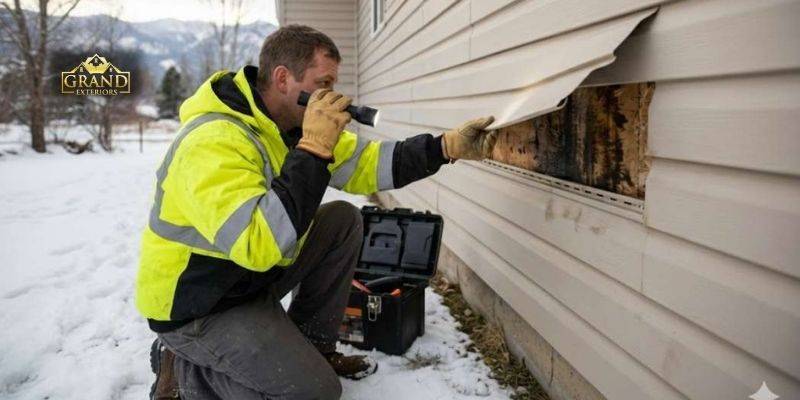
Conduct regular visual inspections to identify any signs of damage, such as cracks, warping, or discoloration.
Professional Inspections
Schedule annual inspections with a home’s siding specialist to catch issues that might not be visible to the untrained eye.
Seasonal Inspections
Pay extra attention during seasonal changes when extreme weather can cause significant damage.
2. Effective Siding Cleaning
Regular siding cleaning tips applied consistently are one of the simplest and most cost-effective ways to protect your home’s exterior.
Gentle Cleaning Solutions
Use mild detergents and a soft brush or cloth to clean home siding without causing abrasions.
Pressure Washing
For tougher stains, pressure washing can be effective, but ensure it’s done carefully to avoid damaging the siding materials.
Mold and Mildew Removal
Regularly clean to prevent the buildup of mold and mildew, which can degrade the siding and affect its longevity.
3. Timely Siding Repair
Addressing siding damage signs quickly is essential — small issues left unattended can escalate into major structural concerns.
Minor Repairs
Address small issues like loose panels or minor cracks immediately to prevent them from worsening.
Professional Repair Services
For more significant damage, consult a siding specialist to ensure siding repair is done correctly.
Preventative Measures
Implement preventative care to avoid frequent repairs, such as trimming back trees and shrubs that can cause damage.
4. Choosing the Right Siding Materials
Comparison Table
| Siding Material | Durability | Maintenance Level | Best Climate |
|---|---|---|---|
| Vinyl | High | Low | Most climates |
| Wood | Medium | High | Dry/mild climates |
| Fiber Cement | Very High | Medium | All Climates |
| Metal | Very High | Low | Coastal/humid areas |
Material Options
Understand the different siding materials available, such as vinyl, wood, fiber cement, and metal, each with its own maintenance needs.
Durability and Maintenance
Choose materials that offer a balance between durability and ease of maintenance for your climate and aesthetic preferences.
Specialist Recommendations
Consult with a siding specialist to determine the best materials for your home’s specific requirements.
5. Enhancing Siding Longevity
Protective Coatings
Apply protective coatings or sealants to extend the life of your siding.
Regular Upkeep
Consistent siding maintenance routines, such as cleaning and inspections, significantly enhance siding longevity.
Addressing Wear and Tear
Promptly deal with any signs of wear and tear to prevent accelerated degradation.
6. Preventive Care Strategies
Applying preventative siding care tips year-round is far more cost-effective than reactive repairs after damage has already occurred.
Weatherproofing
Ensure your siding is properly weatherproofed to withstand harsh weather conditions.
Routine Maintenance
Establish a regular maintenance schedule to keep your siding in top condition.
Expert Advice
Seek advice from a home’s siding specialist on the best preventative care practices for your specific siding material.
7. Addressing Siding Replacement
Recognizing the Need
Know when it’s time to replace your siding rather than repair it, such as when there is extensive damage or wear.
Professional Replacement Services
Engage a professional contractor for siding replacement to ensure it’s done correctly and efficiently.
Cost Considerations
Evaluate the long-term cost benefits of replacing old, damaged siding versus frequent repairs.
8. Seasonal Siding Maintenance Routines
Seasonal siding maintenance is one of the most overlooked aspects of home exterior care — yet it’s one of the highest-impact habits a homeowner can build.
Spring and Fall Cleaning
Focus on thorough cleaning during the spring and fall to prepare for the upcoming seasons.
Winter Preparations
Ensure your siding is ready for winter by sealing any gaps and addressing potential issues that could worsen in cold weather.
Summer Maintenance
Check for sun damage and ensure that any protective coatings are intact.
9. Enhancing Curb Appeal
Aesthetic Maintenance
Regularly paint or stain wood siding to maintain its appearance and protect it from the elements.
Trim and Accessories
Maintain trim, shutters, and other accessories to ensure a cohesive and well-kept exterior.
Landscaping
Keep landscaping in check to prevent plants from causing damage to the siding and to maintain a neat appearance.
10. Leveraging Specialist Expertise
Customized Maintenance Plans
A home’s siding specialist can create a tailored maintenance plan based on your specific needs and siding materials.
Professional Tools and Techniques
Specialists use advanced tools and techniques to provide thorough maintenance and repairs.
Long-Term Partnerships
Building a long-term relationship with a siding specialist can ensure consistent care and timely interventions.
Frequently Asked Questions
How often should I inspect my home’s siding?
Homeowners should perform a basic visual siding inspection at least twice a year — ideally in spring and fall. In addition, it’s a good idea to check for siding damage signs after any major storm or extreme weather event. Annual professional inspections are also recommended to catch issues that aren’t visible to the untrained eye.
What are the most common signs of siding damage I should look for?
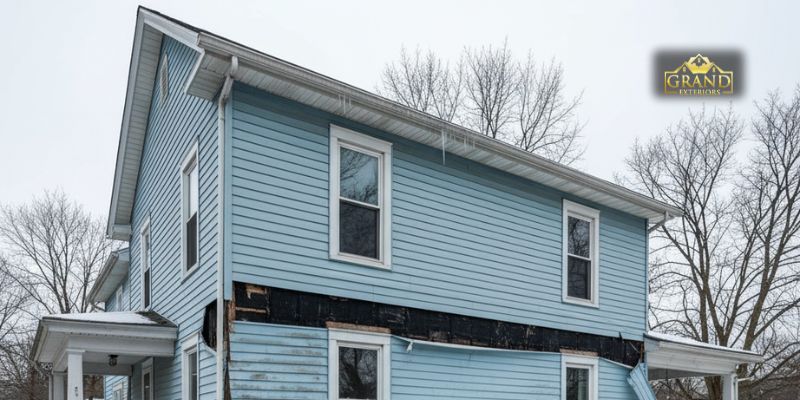
Common siding damage signs include cracks or splits in panels, warping or buckling, fading or discoloration, mold or mildew growth, loose or missing sections, and increased energy bills (which can indicate compromised insulation behind the siding). Catching these early is key to avoiding costly repairs.
What’s the best way to clean home siding without causing damage?
For most siding types, the safest approach is to use a mild detergent solution with a soft-bristle brush or cloth. When using pressure washing to clean home siding, keep the nozzle at a safe distance and use a low-pressure setting to avoid forcing water behind panels or causing surface abrasions — particularly on vinyl or wood siding.
How do I know whether to repair or replace my siding?
If damage is isolated to a few panels, siding repair is usually the more cost-effective solution. However, if more than 30–40% of the siding surface shows significant wear, rot, or structural damage, full replacement may be the smarter long-term investment. A siding specialist can assess the extent of damage and recommend the most appropriate course of action.
Can I do siding maintenance myself, or do I need a professional?
Many basic siding maintenance tips — such as cleaning, visual inspections, and minor touch-ups — can be handled by homeowners. However, tasks like sealing flashing, replacing damaged panels, or assessing structural concerns beneath the siding are best left to a qualified siding specialist to ensure the work is completed safely and correctly.
Conclusion
Maintaining your home’s siding involves a combination of regular inspections, cleaning, timely repairs, and preventative siding care. By following these siding maintenance tips and leveraging the expertise of a home’s siding specialist, you can ensure your siding remains in excellent condition, enhancing both the longevity and appearance of your home. Investing in proper siding maintenance not only protects your home but also adds value and curb appeal — and understanding how to maintain house siding correctly makes it a worthwhile endeavor for any homeowner.