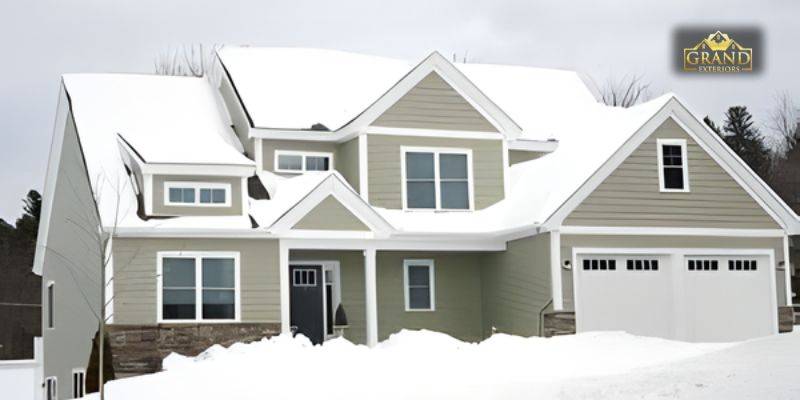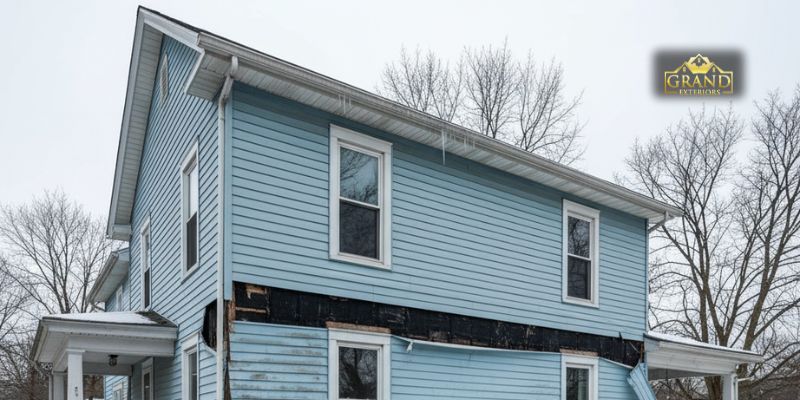
There has been a noticeable shift away from homes featuring a singular type and color of siding. Enters 2026, an era with the potential for infused individualism and architecturally distinctive character on the exterior of residences. The latest trend of combining and contrasting siding types (textured with colors and materials) is pushing the traditional boundaries of curb appeal. Homeowners are beginning to think of the exterior of their home as a canvas for the visual storytelling of old meets new character and sophistication.
This isn’t only a matter of aesthetics, mixed siding also offers functional benefits from improved durability, energy efficiency, and anticipated future return on investment. Whether you are working on an addition or new build, the applications of mixed sidings can help create a home that resonates and speaks to today’s style as well as timelessness.
What makes mixing siding materials effective:
The charm of mixing siding materials is finding harmony, contrast, color, and texture. Each color and/or siding material gives its own personality to your home, and when an appropriate assortment is used, the home feels more dimensional, fun, and interesting!
You should pay attention to mixing siding in 2026 because of the following:
- Architectural definition: Different materials create visual definition when breaking up the architectural walls, roof gables, dormers, and entry .
- Textured contrast: When you mix a smooth panel next to a rough natural texture, it creates depth.
- Layered colors: Color blocking is a chic way to take layering to another level of depth and harmony.
- Old-world meets updated-style appeal: Old-world charm (such as brick or shake) looks updated when mixed with all-modern panels or planks. This provides a vintage feel while feeling new.
Top Siding Combinations Trending in 2026
1. Fiber Cement and Wood: The Best of Both Worlds
The classic yet contemporary look of this combination covers, at once, the durability of fiber cement and the natural warmth of wood.
Where it works: Introduce the wood accents at the doorways or under the eaves to smooth out the sharp, strict lines of the fiber cement panels.
Why it’s loved: It creates an atmosphere of nature and earth in the house without giving up on the low-maintenance lifestyle.
2. Vertical and Horizontal Panels: Playing with Direction
One of the most delicate but at the same time very effective design tools is directional contrast.
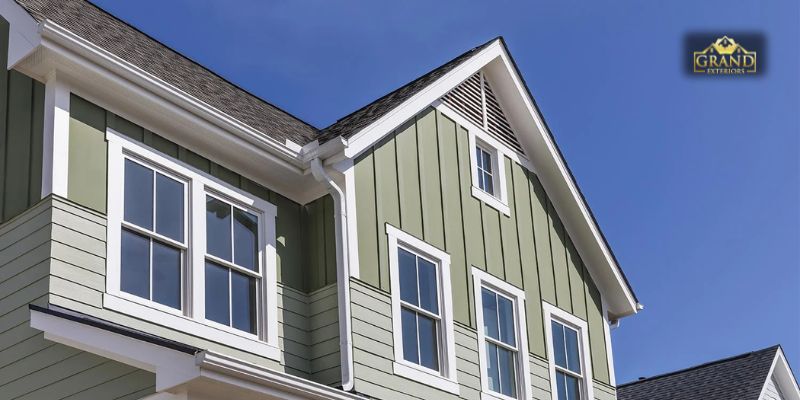
Here is a suggestion: Mix horizontal lap siding on the primary structure with vertical board-and-batten on the gables or upper floor.
Result: The technique focuses the gaze up, giving an impression of height and elegance.
3. Brick and Metal: Industrial Chic for Modern Homes
This combination is a sign of the increasing popularity of industrial and urban loft looks in house design.
Style tip: Go for a brick finish on the ground floor (for anchoring) and overlay it with metal or aluminum cladding for a clean, modern touch above.
Why it stands out: It brings together the nice feel, long life-span, and modern day urban flairs, which are ideal for both suburban and urban contemporary houses.
4. Stone Veneer and Vinyl: Elegant at a Low Cost
Stone veneer is simply luxurious, and vinyl is still very affordable and maintenance-free.
Be smart: put stone around the foundation or columns and use vinyl siding on the upper parts.
Visual effect: forms a solid and classy contrast through a very little cost.
5. Shakes and Smooth Panels: Textural Cohesion
Shakes deliver an inviting rustic, cottage feel against the clean, modern feel of the smooth panels.
Combination: Try shakes to create architecture in occupancy spaces (like dormers or entries) against the clean, modern look and feel of the smooth panels placed on the exterior walls of the home.
Ideal for: Transitional homes incorporating both traditional and modern styling elements.
Conclusion: A New Era of Creative Exteriors
Colorful and personalized design signals for the exterior of your home will be the trend in 2026. Siding is now no longer merely a weather barrier, but also a form of signage for your tastes and personal style. Using material and style mix and match to create a home that feels rich in contrast, depth and character rather than uniformity. You are not violating design principles, you are tastefully combining styles, and learning to design well and create a good visual story by bringing together textures, tone and direction into a beautiful story that is visually anecdotal.
Whether you are using bright colored metal panels, cedar shakes or stone veneer, it simply points to having an intentional composition. How you mix styles can give character to the home, provide curb appeal, provide depth, define architecture, and ultimately provide value over time. What this suggests, in this new realm of design, is that the exterior of your home will no longer be a simple exterior. It will be representative of you, using artistic measures to show character, craftsmanship, and creativity for your home that embodies both timeless and modern elements.