Key Takeaways
- Roof ventilation uses intake and exhaust vents to create balanced airflow, stabilizing temperature and humidity while extending roof life
- Intake vents (soffits) bring in cool air; exhaust vents (ridge, gable) push out hot, moist air
- Baffles prevent insulation from blocking airflow between the intake and exhaust paths
- Proper ventilation prevents moisture damage such as mold, wood rot, rust, and ruined insulation
- Winter ice dams are prevented by keeping the roof deck cold enough to stop melt-freeze cycles
- Follow the 1:300 rule: 1 sq. ft. of vent area per 300 sq. ft. of attic space
- Balanced intake and exhaust are non-negotiable; imbalance causes pressure issues and higher moisture levels
- Signs of poor ventilation: ice dams, mold, musty smells, rust, spiking energy bills, and curling shingles
Understanding the importance of roof ventilation can make a huge difference. A perfectly working ventilation system can protect your roof from intolerable heat and annoying humidity. As a result, your home becomes a comfortable and secure place.
In other words, roof ventilation is the unsung hero that makes your home energy efficient and durable. It controls attic heat and moisture and prevents extreme temperature fluctuations.
If interested in knowing more about roof ventilation and its importance, this guide is for you. Here, we have compiled the most relevant and authentic information around this topic. So, without further ado, let’s dive in!
What is Roof Ventilation and How Does It Work?
Roof ventilation is a system that relies on the proper functioning of intake and exhaust systems. The basic purpose of a roof ventilation system is to ensure continuous airflow through a specifically designed duct and spaces.
The balanced exchange of air allows the cool air to enter the house and exhausts hot & moist air. When this circulation process is repeated continuously, it stabilizes both humidity and temperature levels.
As a result, the inhabitants enjoy a pleasant indoor atmosphere. It also extends the overall lifespan of the roof by preventing it from extreme temperature swings.
Key Components of a Roof Ventilation System
Now that you know what roof ventilation is, it’s time to discuss its major components. These include:
- Intake Vents
- Exhaust Vents
- Baffles
Intake Vents: These vents are usually located along the roof’s lower edge or in the soffits. Their purpose is to bring outside air into the attic.
Exhaust Vents: They are located at the ridge or the roof’s peak. Some common examples include gable vents, ridge vents, or static vents. As the name suggests, exhaust vents expel humid and heated air outside the home.
Baffles (or Rafter Vents): These are made of foam and plastic channels installed between the roof deck and the insulation. Their primary function is to prevent airflow from being blocked through the soffit vents. So the air could pass freely through the intake and exhaust paths.
Roof Ventilation Benefits
Why roof ventilation is important? The answer is simple: a roof ventilation system keeps the attic temperatures under control.
Besides, here are the roof ventilation benefits every homeowner should know:
Stops Moisture Damage and Rot
Moisture is the biggest threat to any roof. The hot and humid air accumulated under the roof sheathing could lead to the following problems:
Mold and Mildew Growth: Moist and warm areas serve as a breeding ground for the mold. Apart from damaging the roof’s structures, the spores can also lead to respiratory issues or cause allergies.
Degraded Insulation: Cellulose insulation and wet fiberglass lose their thermal resistance and become useless.
Wood Rot: The structural integrity of trusses, rafters, decking, and similar other structures is compromised. In worst-case scenarios, it could lead to roof collapse.
Corrosion: Moisture causes the roof’s metal parts to rust and fail.
Dramatically Improves Energy Efficiency
The temperature of an attic can reach up to 150°F (65°C) during a hot summer day. The heat is radiated down through the ceiling and compromises the overall performance of your air conditioning system. It also overloads your HVAC system and results in high energy bills.
On the contrary, a well-designed roof ventilation system can lower attic temperatures by up to 25°F. When the hot air is efficiently removed outside the house, it can be beneficial in the following ways:
- Maintain a comfortable indoor temperature.
- Lower the energy bills by up to 10-15%.
- HVAC equipment continues to work perfectly well even after years.
Prevents Winter Ice Dams
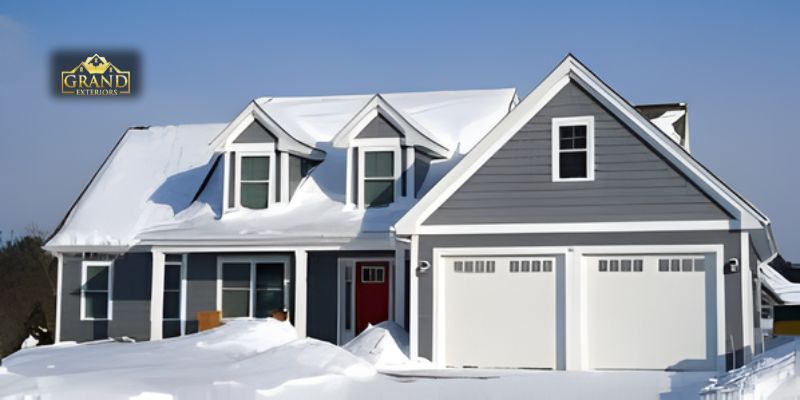
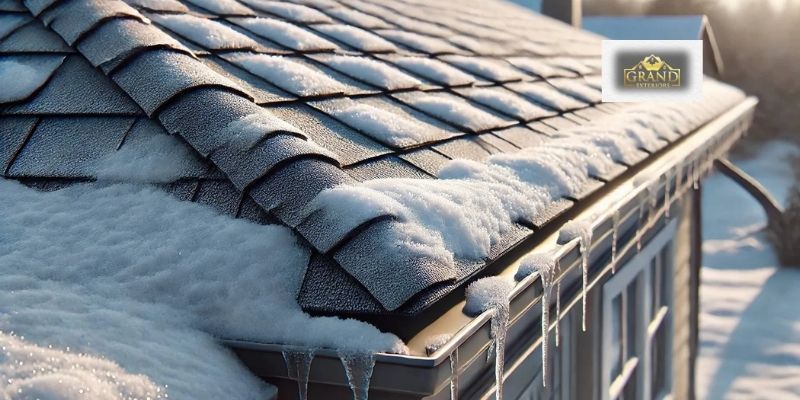
Poor ventilation can cause ice dam buildups during winter. This happens when the heat stored in the attic starts to warm the roof deck. The snow melts and starts to freeze again upon reaching the colder eaves, creating an ice dam.
Once the water pool starts to grow bigger and heavier, it challenges the structural integrity of your roof. Besides, the consistent water leaks start to damage the ceilings, walls, and insulation. However, proper ventilation can help lower the roof deck temperature.
Extends Roof Longevity
Every roofing material, like wood shakes, asphalt shingles, metal panels, or tiles, has a specific lifespan. Extreme heat can cause chemical degradation and shorten your roof’s lifespan. For instance, asphalt shingles may curl at the edges or become brittle due to high temperatures.
Besides, the wood shakes start to rot or split due to the excessive moisture. A metal roof isn’t immune to extreme temperature swings and can start to deform when under constant stress.
Through proper ventilation, you can prevent this from happening. This aspect clearly indicates the importance of roof ventilation.
Roof Ventilation Requirements
A roof ventilation system needs to comply with building guidelines to work efficiently. So, just creating a hole in your room won’t be sufficient. For this purpose, you need to follow the rules associated with roof ventilation installation.
The 1:300 Rule
This rule is incorporated into most prevailing building codes. It recommends 1 square foot of ventilated area for every 300 square feet of attic space. For instance, you need 5 sq. ft. of total vent area for a 1,500 sq. ft. attic. However, always check local codes before planning to install a roof ventilation system.
Balanced Airflow is Non-Negotiable
This is among the most essential roof ventilation requirements. If ignored, it could affect the performance of your roof ventilation system. One of the common mistakes is installing fewer intake vents than exhaust vents or vice versa.
It could create negative pressure, causing too much air to either enter the attic or be expelled from it. In any of these scenarios, the temperature and moisture level could increase drastically. Hence, it’s essential to ensure a balanced airflow throughout the attic space.
Climate and Roof Design Considerations
When installing roof ventilation, it’s imperative to consider factors like climate and roof design. These include:
Hot & Humid Climates: Moisture control needs to be prioritized. If possible, you can use a higher ventilation ratio (1:150).
Vaulted Ceilings & Cathedral Roofs: These areas lack attic space, so you need to install a ventilation channel below the roof deck and above the insulation. For this purpose, you can use rigid baffles.
Cold & Snowy Climates (Northeast, Midwest, Canada): Prevent ice dams by ensuring that the soffit vents aren’t blocked and every rafter has a baffle installed on it.
Flat or Low-Slope Roofs: Conventional ridge vents aren’t recommended. On the contrary, install static (low-profile) vents, powered roof fans, or turbine vents.
Signs of Poor Roof Ventilation
To identify ventilation failure, it’s advised to perform regular inspections. You can hire professional roofing inspectors for this purpose.
Below are the signs showing that your roof ventilation system isn’t performing at its best:
Summer Heat & Humidity: The attic temperature exceeds regular limits. Typically, a ventilated attic is slightly warmer than the outdoor temperature during summer.
Ice Dams: Large ice dams appear on the roof during winter.
Visible Condensation: The visible signs of frost, roof sheathing, or water droplets on rafters.
Mold or Mildew: White, black, or green patches on the insulation or ceiling. It accompanies a musty or earthy smell on the upper floors.
Spiking Energy Bills: The HVAC system runs constantly, consuming excessive energy. As a result, you experience a spike in energy bills.
Roofing Material Damage: Buckling, curling, or blistering shingles and rotting fascia boards clearly indicate that your roof ventilation is not working properly.
Rust: Corrosion on light fixtures, nails, or HVAC equipment is another sign of poor roof ventilation.
If you come across any of the above-mentioned issues, make sure to contact professional roofing contractors like Grand Exteriors.
How to Maintain Roof Ventilation (Step-by-Step)
Installing vents means you have won half the battle. Besides, your roof ventilation system needs regular maintenance.
Here are the steps involved during a roof maintenance regimen:
Step 1: Visual Inspections
At a minimum, it’s recommended to inspect your ventilation system biannually (Twice a year).
- Outside: Inspect the exterior of your home and look for issues in areas such as gable vents, soffit vents, and ridge vents. If you find bird nests, debris, or insect hives near these vents, your ventilation system needs immediate attention.
- Inside (Attic): Light can easily pass through unblocked attic vents. If the daylight doesn’t reach the attic, there is something wrong with your vents.
Step 2: Clear Intake and Exhaust Paths
If you understand the roof ventilation importance, you might have an idea of how crucial it is to clean the ventilation areas.
Here’s how to clear the intake and exhaust paths:
- Ridge Vents: Check for dirt or nesting material around the vents. Make sure the baffle filter is still intact.
- Soffit Vents: These vents usually get blocked by leaves or insulation particles. You can easily clean soffit vents using a soft brush or a leaf blower.
- Turbine or Powered Vents: The turbines or power fans should move freely without any weird noise.
Step 3: Check for Mold, Moisture, and Leaks
When inspecting the attic, look for signs such as leaks and mold growth. For this purpose, you can follow these steps:
- Probe Wood: Gently probe areas like sheathing and rafters. Crumbly or too soft wood indicates that moisture is causing irreparable damage.
- Look for Staining: Appearance of dark streaks on wood or insulation is due to water leaks.
- Smell: A woody or musty odor indicates humid air.
Step 4: Professional Annual Roof Inspection
Even if you have some basic knowledge of a roof ventilation system, it’s highly recommended to hire a qualified roofing contractor (at least twice a year).
They will perform tasks like:
- Verifying 1:300 Rule: Professionals carefully measure the vent area to ensure that it meets the 1:300 rule.
- Thermal Imaging: They perform thermal imaging tests to detect heat leaks or moisture.
- Thorough Inspection: Technicians thoroughly inspect seals, flashing, and boot covers around chimneys and plumbing vents. They also check for the air leaks around wiring penetrations and recessed lights.
Additional Strategies to Extend Roof Life
The roof ventilation system works at its best if you follow a holistic roof care plan. For desired outcomes and maximum longevity, it’s better to follow these tips:
Upgrade Insulation: High-quality insulation helps improve the efficiency of your ventilation system. Insulation helps prevent the leakage of conditioned air out of the living spaces. It also allows the ventilation equipment to remove unwanted moisture and heat from the attic.
Immediately Replace Broken Shingles: A missing shingle allows melted snow or rainwater to infiltrate the roof and damage the roof deck.
Maintain Gutters: Clogged or damaged gutters stop water from moving down the drain. As a result, moisture starts to seep into shingles and soffit vents.
Channel Kitchen and Bathroom Exhausts Outdoors: Never connect the ventilation system directly to a dryer, bathroom fan, or range hood. This prevents moisture from entering the attic.
Trim Overhanging Trees: Overhanging branches drop a huge amount of leaves on the roof. It clogs vents and provides a suitable place for rodents to make their nests inside soffit vents. Make sure to trim overhanging branches regularly.
Final Words
A roof ventilation system is not only a comfort feature but also helps prevent issues such as water leakage, high energy bills, and mold growth. A functional ventilation system increases the lifespan of your roof and saves you from premature repairs.
However, it’s not possible to get the most out of your roof’s ventilation system if it’s not inspected regularly. By hiring professional roofers for inspections and checkups, you can strengthen the structural integrity of your home’s roof.
At Grand Exteriors, we clearly understand the importance of roof ventilation. That’s why we offer reliable and affordable roof ventilation services.
Want to schedule an inspection or need a quote? Feel free to contact us today!