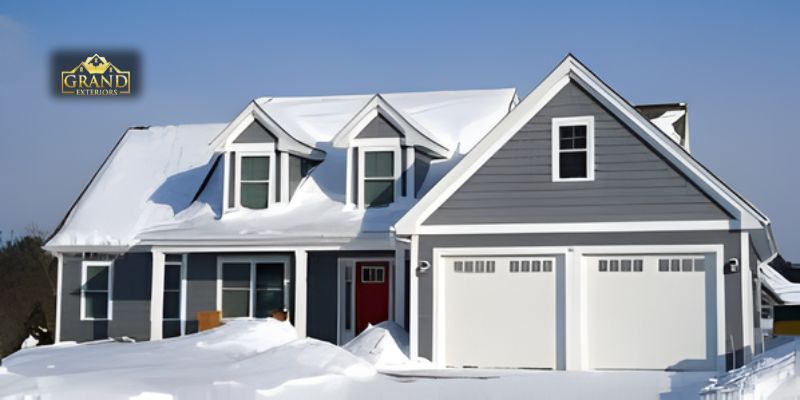
In the wintertime, you can only snuggle up, stay warm, and be comfortable indoors. But trapping that heat inside while at the same time keeping the elements outside is all about preparation. Failing to address the crucial areas of roofs, siding, and insulation will mean energy loss, costly repairs and unwelcome issues. This guide will help offer some invaluable tips to ensure you keep your home winterproof.
Roofing: The Weather’s Unwavering Protection for Your House:
The roof of your house takes the major part of the winter elements like snow, ice, wind, and freezing rain. A roof that is not in good shape can result in water leaks, the formation of ice on the roofs, and even the fall of the whole building.
Main Advice:
- Inspect shingles and repair them: Winter isn’t here yet, thus, perform a thorough checkup on the roof and make sure there are not any missing, cracked or curling shingles. Fast replacement is the way to prevent water from coming in.
- Clean gutters and downspouts: Make it a point that the water drainage is not hindered by leaves and dirt.
- Trim overhanging branches: When snow and ice become heavy on branches, they can break and this will lead to roof damage.
- Attic ventilation: The right ventilation will help maintain the temperature in the attic and this will, in turn, minimize the risk of ice dams forming. The vents should be free of any obstruction.
- Ice Dam Cause: The roof is heated by the attic and the snow above melts; the resulting water runs down and then freezes upon hitting the cold eaves, so a dam is formed, which is further filled with water and squeezed under the shingles.
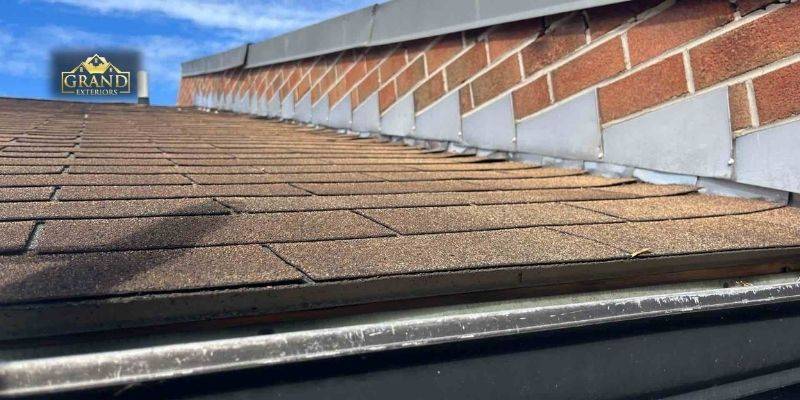
- Flashing Check: Look closely for any cracks or worn-out spots at the junctions of the roof and the chimney, pipes and the skylight seals. Do not delay re-sealing any gaps as they’ll allow the water from winter to come in.
Siding – The First Line of Defense for Your House:
Siding is the first line of defence against wind and rain, but if not maintained and repaired immediately, it will allow cold air to come inside your home while allowing warm air to escape, resulting in increased heating costs and potential water damage to the inside of your home and lost energy efficiency.
Key Tips:
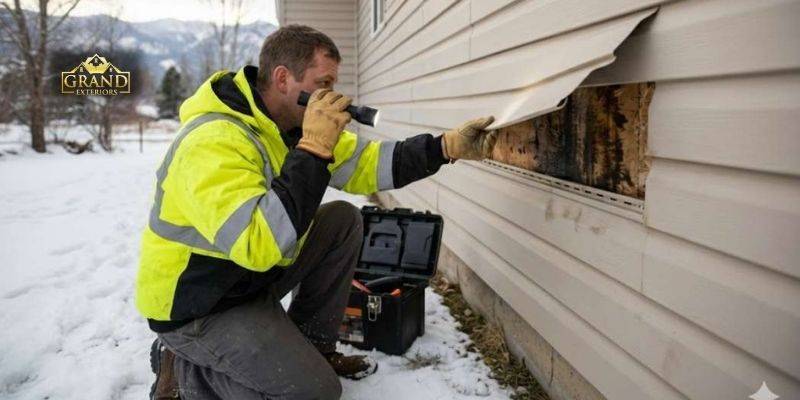
- Examine the unit for any Damage: Search for cracks, holes and loose panels. Repair or replace broken parts so that the seal is tight.
- Seal Gaps & Joints: Apply an exterior-grade caulk around windows and doors and where siding meets something else.
- Look for Moisture Intrusion: Softness and discoloration are signs of moisture behind the siding. Tackle those issues before the cold makes things worse.
- Cleanliness is next to godliness: Vinyl siding just needs a quick, basic cleaning. Wood siding needs scraping of any peeling paint or treatments and resealing or repainting if winter is approaching.
- Check the Drainage: The exterior grade of your house should be properly sloped away from the foundation to prevent water pooling as well as prevent moisture from getting into the siding or insulation.
Insulation: The Secret to Warmth and Efficiency
Insulation prevents heat from escaping, saves energy and maintains even temperatures inside the opportunity. Poor insulation forces your heater to flex its muscles.
Key Tips:
- Check Attic Insulation: It’s a fact that heat rises so if you have an uninsulated or under-insulated attic, this can be a big cause of heat loss. Insulate it well enough — typically R-38 to R-60, depending on your climate.
- Check Wall Insulation: Inspection of wall insulation may be more of a challenge, but an energy audit can identify walls with inadequate insulation. Blown-in insulation works well too.
- Air leaks sealing: Sealing of all openings and cracks is the number one approach to maintaining the energy efficiency of your home. Apply weather stripping around all doors and windows and caulk all openings and cracks where plumbing, electrical and ventilation pass through.
- Insulation of pipes: To avoid pipes freezing, those that are exposed, like in an attic, basement, or crawlspace, should be covered with insulation.
- Don’t forget the Basement: The insulation of your home should also wrap basement walls and rim joists to stop cold floors and heat loss.
Bonus: Quick Pre-Winter Checklist
- Test smoke alarms and carbon monoxide detectors.
- Reverse the ceiling fans to the clockwise direction to distribute warm air down.
- Service your heating system.
- At least cover all windows and doors from the storm.
- Disconnect and drain outdoor hoses.
Conclusion
Winter home care isn’t just about comfort — during a season when snow, freezing rain, and bitter temperatures are common, it’s also the best way to avoid costly repairs and to get through your heating budget with as few dollars as possible. Taking the time to maintain and inspect your roofing, siding and insulation can mean a warmer, safer, sturdier home. Don’t put off until the first snowfall; start preparing today and experience peace of mind all winter season.