What comes to your mind when the term home renovation is mentioned? Among the most “fun” and the most common ones, probably the first one is the kitchen renovation where the use of beautiful and durable quartz countertops is included, followed by the bathroom turned into a spa, and finally, the installation of hardwood floors that are both attractive and new. These types of renovations are not only easier to show but also bring instant happiness.
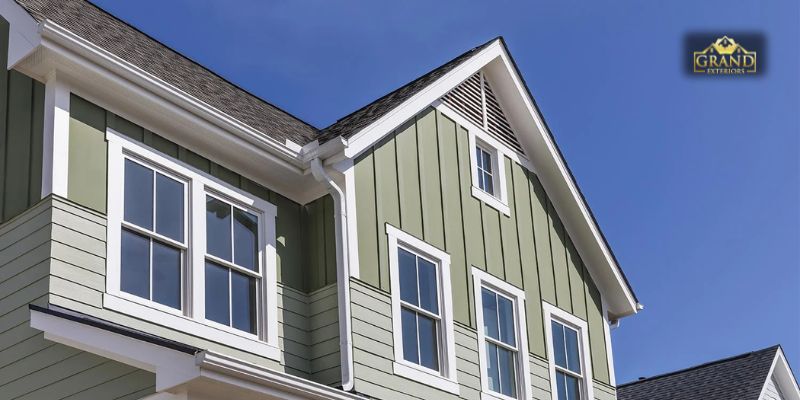
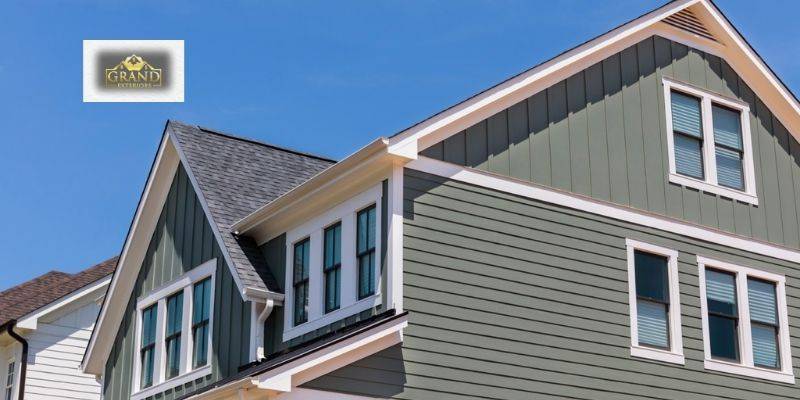
But what about the exterior? While you are planning the revival of your home’s interior, there is an important aspect that likely gets left to the end of the renovations: siding. Siding is not just about curb appeal. Incorporating new siding installation into your larger renovation plans is one of the smartest and best improvements you can make for the value, efficiency, and longevity of your home.
Just as you would not buy a nice new sound system for a car with a bad engine, you would not expect to make holistic improvements by planning renovations to your interior while having a tired, inefficient exterior.
Here is why siding should be front and center in your renovation mood board.
1. The Unstoppable Pair: Curb Appeal and Armored Protection:
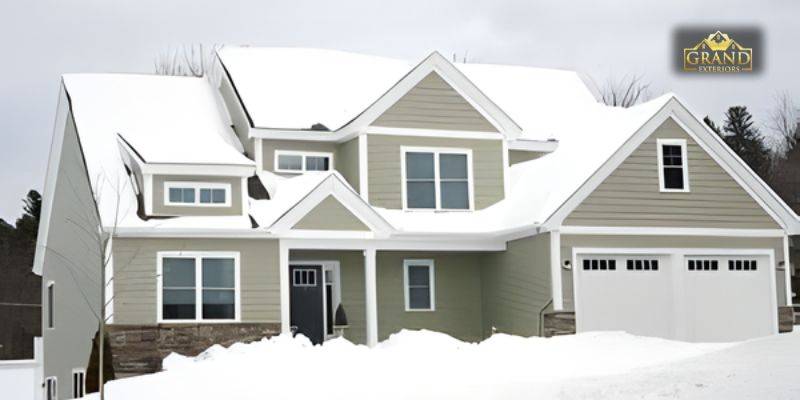
Let’s get the obvious out of the way. Your siding is the first impression of your home; it is the face of your home. A new job on your siding can take a home back decades and do wonders for the curb appeal. This is especially important when rehabbing a home for resale purposes.
However, looks are not everything! New siding is going to be the first layer of protection for your house. It is the armor that protects your new interior from nature’s greatest destructive forces, wind, rain, snow, and sun!
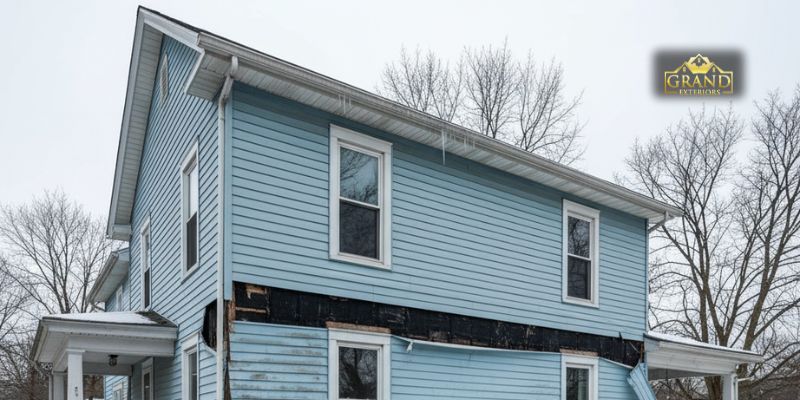
If you have installed new and strong siding, while doing your interior work, you will have peace of mind that the new kitchen and cozy living room you are creating will be protected from water infiltration, pest infiltration, and structural rot. This is the ultimate protection for your investment.
2. The Secret to a Comfortable and Efficient Interior:
Here is the connection many homeowners overlook- your siding is a key part of your home’s thermal envelope. Old, cracked, or poorly insulated siding is like trying to heat your house with the windows left slightly ajar.
It uses energy and money.
New siding systems, especially when coupled with an underlayment that’s insulated, act as a continuous blanket for your house. That implies:
- Lower bills for utilities: The HVAC system will not have to put in so much effort to reach a pleasant temperature.
- Increased comfort: No more areas in the house that are too cold in the winter and too warm in the summer. The quality of the outer performance is the measure of the comfort of the interior, which you are updating for comfort.
- A lower carbon footprint: An environmentally friendly residence is one that consumption of energy consumption and thereby leads to lower carbon dioxide emissions.
- The replacement of the siding will not only contribute to the reduction of future energy costs but also make the house comfortable and efficient in the newly remodeled area, with the outside being the starting point.
3. Craft a Unified Design Vision (Exterior and Interior):
An entire renovation tells a cohesive story. The style, color and even overall character of your siding should be a carefully considered choice to complement what has been done inside.
Are you creating a modern, minimalist space and effort in a large, open concept? Think about adding a big accent with sleek, vertical siding or large-format panels. Designing a warm, inviting kitchen that embodies the ultimate farmhouse? Your exterior needs to match that vibe, we would want to recommend board-and-batten siding, soft, creamy white color selection to fit that character.
When you ideate your siding as part of your overall plan, you create a connected feel from inside to the exterior. You can reflect the enclosed accent color in your exterior siding. You can reflect an architectural style on both sides with interior trim work. This level of intentional design takes your entire project to be more than a remodel, but a design vision that has come true.
4. The Practical Power Play – Saving Time, Money, and Headaches:
Logistically, scheduling the siding installation together with some other major renovations is an achievement in project management.
- Work with your contractor: Your general contractor can coordinate everything with your workers, allowing the siding crew to work with the interior crews logically. This avoids having the interior crews to be scheduled for the same volume of work or efforts to repeat.
- Potential savings: You may receive a better rate from a contractor by providing them a larger more thorough project. In addition, you’ll only be setting up scaf-loads and mobilizing at one time.
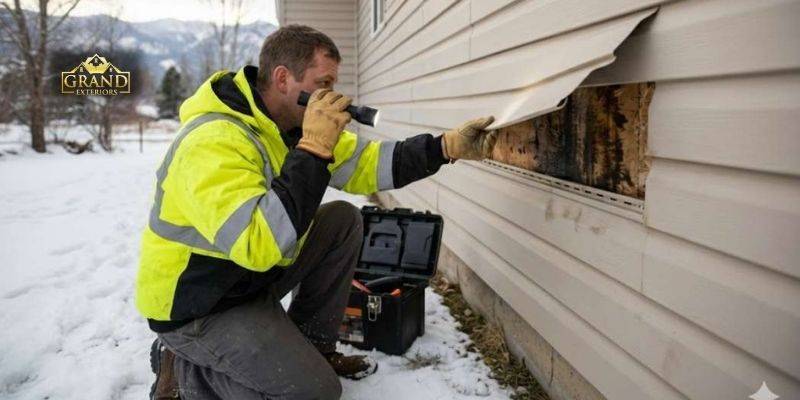
- Identifying Hidden Problems: During the course of installation of your new siding, you might come across certain issues that would have otherwise remained hidden such as rotting sheathing or very little or no insulation, which are definitely issues you must address before the installation of living space finishes. Being aware of these problems while the work is in progress gives you a chance to do repair works ahead of time and thus, prevent the damage of your new investment.
The Bottom Line: You Do Not Want To Operate in a Renovation Vacuum.
During a renovation, you cannot and should not turn a blind eye to the exterior while placing full focus on the interior. It is similar to putting a beautiful frame on a painting while the aging canvas is vulnerable.
While your remodeling visions may be stamped into stone, your omission of the siding installation in the renovation activity will render your home’s facade vulnerable to potential damage. Instead of only updating the facade of your home, using siding as part of your renovation reboot process fortifies the structure, seals in efficiency tight, and defines the beauty you work hard to create on the inside is protected, sustained, and also reflected on the outside for a long time. This is the decision that elevates updates into a remodel that is distinctly different from your not outdated home.