The importance of regular roof inspections goes beyond identifying visible damage. Routine inspections help homeowners detect developing problems, maintain their roof’s protective performance, and address minor defects before they become expensive repairs. From loose shingles and deteriorating flashing to clogged gutters and moisture intrusion, small issues can gradually affect the roof and the structure beneath it. For homes in Minnesota, where hail, high winds, heavy rain, snow, and freeze-thaw cycles can take a toll on roofing materials, periodic inspections are especially valuable.
A well-maintained roof helps protect your home from water infiltration, supports energy efficiency, and preserves curb appeal. However, even a roof that looks fine from the ground may have hidden damage around chimneys, vents, valleys, and other vulnerable areas. Knowing what to look for and when to arrange an inspection can help you make informed maintenance decisions and avoid preventable expenses.
In this guide, we explain why regular roof inspections are important, what homeowners should check, how often inspections are recommended, and how professional assessments can help with maintenance planning and insurance documentation.
1. Identify Roof Problems Before They Become Costly Repairs
One of the main reasons to schedule inspections is to identify roofing problems while they are still manageable. Roofing materials gradually deteriorate due to sunlight, temperature fluctuations, moisture, wind, and other environmental factors. Storms can also cause sudden damage that is not immediately visible from the ground.
A regular roof inspection can help identify issues such as:
- Missing, cracked, curling, or loose shingles.
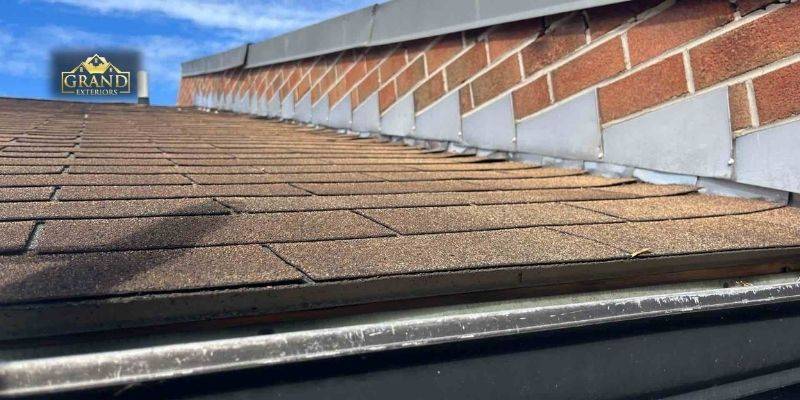
- Damaged flashing around chimneys, skylights, vents, and roof penetrations.
- Deteriorating sealants or exposed fasteners.
- Damaged roof valleys or areas where water may collect.
- Signs of moisture intrusion in the attic or ceiling.
- Clogged gutters or drainage problems that may affect the roof system.
The importance of regular roof inspections for identifying repairs
Early identification gives homeowners a better opportunity to arrange targeted repairs before the damage spreads. For example, repairing damaged flashing may help prevent continued water infiltration, while replacing missing shingles can restore protection in the affected area.
Not every visible defect requires immediate roof replacement. A qualified roofing professional can assess the condition, explain the available repair options, and help determine which issues require prompt attention.
2. Prevent Leaks and Moisture-Related Damage
Water infiltration is one of the most damaging problems a roofing system can experience. Even a small opening around flashing, a damaged shingle, or a roof penetration can allow water to reach the underlying roof deck, insulation, ceilings, and walls.
During an inspection, homeowners or roofing professionals should look for:
- Water stains on ceilings and upper walls.
- Damp insulation or moisture marks in the attic.
- Deteriorated flashing and damaged roof penetrations.
- Mold-like growth or musty odors that may indicate a moisture problem.
- Gutters and downspouts that are blocked or draining improperly.
These warning signs do not always reveal the exact source of a leak. Water can travel along roof components before appearing indoors, so the location of a ceiling stain may not correspond directly to the point of entry.
Addressing the source promptly can help limit damage to insulation, wood framing, drywall, and interior finishes. If you notice active leaks or sagging ceilings, arrange a professional assessment promptly rather than waiting for the next scheduled inspection.
3. Protect Your Roof From Storm and Seasonal Damage
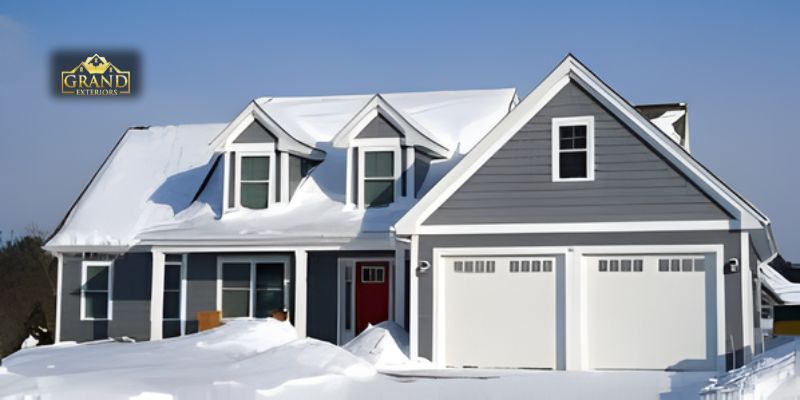
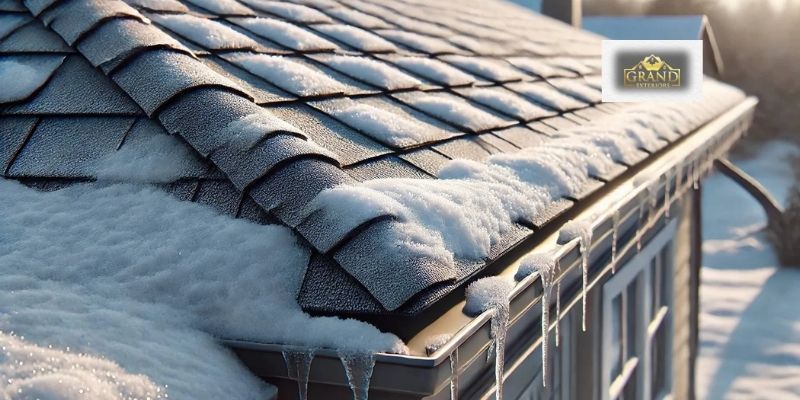
Minnesota roofs experience a range of seasonal stresses, including hail, strong winds, heavy rainfall, snow accumulation, and ice dams. These conditions can damage shingles, loosen flashing, obstruct drainage, or contribute to water backing up beneath roofing materials.
An inspection is particularly useful after a significant storm, when damage may be difficult to recognize from the ground. Look for visible debris, displaced shingles, damaged gutters, and signs of water intrusion inside the home. Avoid climbing onto the roof to investigate, especially when surfaces are wet, icy, or unstable.
Seasonal inspections can also help identify conditions that deserve attention before winter, such as damaged shingles, deteriorated flashing, drainage issues, and attic ventilation concerns.
However, an inspection cannot guarantee that a roof will withstand every storm. Its purpose is to identify existing vulnerabilities and damage so that appropriate maintenance or repairs can be arranged.
4. Support Roof Longevity and Structural Integrity
Roofing systems are designed to protect the building for many years, but their service life depends on material quality, installation, weather exposure, ventilation, drainage, and maintenance.
Repeated moisture exposure can deteriorate roof decking and other structural components. Persistent leaks may also damage insulation, framing, ceilings, and walls. If left unaddressed, these problems can turn a localized roofing issue into a more extensive repair project.
A roof inspection can help assess the condition of visible roofing components and identify warning signs that may require further investigation. Depending on the roof’s condition, recommended actions might include replacing damaged shingles, repairing flashing, improving drainage, or investigating moisture in the attic.
Inspections do not eliminate normal wear and tear, but they help homeowners make timely maintenance decisions and avoid allowing minor problems to progress unnecessarily.
5. Understand How Often a Roof Should Be Inspected
One common homeowner question is: how often should a roof be inspected? The appropriate schedule depends on the roof’s age, material, condition, exposure to severe weather, and any manufacturer or warranty requirements.
The following table provides a practical starting point.
| Inspection timing | What to consider |
|---|---|
| At least once a year | Arrange a routine assessment to identify wear, damaged components, and maintenance needs. |
| After significant storms | Check for possible hail, wind, or debris damage, even if no leak is visible. |
| Before winter | Address existing defects and drainage concerns before snow and freezing conditions arrive. |
| When warning signs appear | Arrange an inspection if you notice leaks, missing shingles, ceiling stains, or unexplained moisture. |
| Before buying or selling a home | Consider a roof assessment to understand its condition and potential repair needs. |
| When required by a warranty or insurance policy | Follow the applicable terms and documentation requirements. |
For many homeowners, an annual inspection combined with additional checks after significant weather events is a sensible approach. Older roofs or roofs with a history of leaks may need more frequent attention.
The schedule should also account for roof type and accessibility. A qualified professional can recommend an appropriate inspection interval based on the roof’s actual condition.
6. Understand the Role of Professional Roof Inspections
Homeowners can observe certain warning signs from the ground and inspect accessible areas inside the home, but they should not attempt to walk on a roof that may be steep, fragile, wet, or icy.
A professional roof inspection provides a more systematic assessment of visible roofing components and potential problem areas. Depending on the roof’s design and accessibility, a roofing professional may examine:
- Shingles, panels, or other roofing materials.
- Flashing, valleys, ridges, and roof penetrations.
- Gutters, downspouts, and drainage components.
- Signs of leaks or moisture damage in accessible attic areas.
- Ventilation-related concerns and visible deterioration.
- Evidence of storm damage or previous repairs.
The scope of an inspection varies by property and service provider. A standard visual inspection may not reveal every concealed defect, and additional testing may be necessary when there are signs of hidden moisture or structural damage.
Professional Roof Inspection Checklist
Use this checklist to understand the main areas that may need attention during an inspection.
- Roofing materials: Check for missing, cracked, curling, loose, or deteriorating shingles or panels.
- Flashing and roof penetrations: Look for visible separation or deterioration around chimneys, vents, and skylights.
- Roof valleys and drainage: Check for debris buildup, damaged materials, and signs of water pooling or improper drainage.
- Gutters and downspouts: Look for blockages, loose connections, and signs that water is not draining away properly.
- Attic and interior areas: Look for moisture stains, damp insulation, daylight through unintended openings, and signs of inadequate ventilation.
- Storm-related damage: Document visible damage or debris after severe weather.
- Previous repairs: Check whether repaired areas show signs of recurring problems.
- Maintenance recommendations: Record any necessary repairs, their urgency, and recommended follow-up.
This professional roof inspection checklist is a general guide, not a substitute for a trained inspection. Some components cannot be assessed safely or accurately without appropriate access and equipment.
7. Document Roof Condition for Insurance Claims
Inspection records can be useful when dealing with roof damage and insurance claims. If a storm damages your roof, photographs, inspection reports, repair invoices, and maintenance records may help document the roof’s condition and the damage observed.
A roof inspection for insurance claim purposes may be particularly helpful after hail, wind, or another covered event. A roofing professional can document visible damage and provide an assessment of the affected areas. However, the insurer determines coverage under the applicable policy, and an inspection report does not guarantee claim approval.
Homeowners should consider the following steps:
- Photograph visible damage from a safe location.
- Record the date of the storm or the date the damage was discovered.
- Keep copies of previous inspection reports, maintenance records, and repair invoices.
- Review the policy’s notification requirements and contact the insurer promptly when appropriate.
- Arrange a professional assessment when needed, and retain the resulting documentation.
- Avoid making permanent repairs that could interfere with the insurer’s inspection before discussing the process with the insurer, where practical. Do not delay necessary emergency measures to prevent further damage.
If temporary measures are needed to protect the home from additional water intrusion, prioritize safety and keep records of the work and related expenses. Follow your insurer’s instructions and applicable policy terms.
8. Include Roof Inspections in a Preventive Maintenance Plan
Effective roof inspection and maintenance work together. An inspection identifies visible defects and potential risks, while maintenance addresses the issues that could shorten the roof’s service life.
A practical maintenance plan may include:
- Keeping gutters and downspouts clear so rainwater can drain properly.
- Trimming branches that could scrape the roof or fall during storms.
- Promptly addressing damaged shingles, flashing, and other defects.
- Investigating interior stains or signs of attic moisture.
- Maintaining appropriate attic ventilation and insulation.
- Scheduling additional inspections after significant weather events.
- Keeping records of inspections, repairs, and material warranties.
Maintenance recommendations should be appropriate for the roofing material and the manufacturer’s instructions. For example, pressure washing, applying coatings, or using certain cleaning products may damage some roofing systems if performed incorrectly.
Homeowners should also avoid walking on roofs unnecessarily. Professional assistance is advisable for work that requires roof access or specialized equipment.
9. Make More Informed Decisions About Roof Repairs
Regular inspections provide information that helps homeowners prioritize roofing expenses. Instead of waiting until a leak becomes severe, you can use inspection findings to understand which defects require immediate attention and which maintenance tasks can be planned.
A roofing professional may recommend urgent repairs when there is active water intrusion, significant material damage, or a condition that threatens the building’s integrity. Less urgent issues may be addressed through scheduled maintenance, depending on their severity and the risk of deterioration.
Written findings, photographs, and clear repair recommendations can make it easier to compare options and understand the scope of work being proposed. If a roof is approaching the end of its expected service life, an inspection can also help inform discussions about whether continued repairs or eventual replacement deserve consideration.
The goal is not to eliminate every roofing expense. It is to identify problems early, allocate maintenance budgets sensibly, and reduce the risk of avoidable damage.
Final Words
The importance of regular roof inspections lies in identifying developing problems, protecting your home from moisture and weather damage, and making informed decisions about maintenance and repairs. A consistent inspection schedule, combined with prompt attention to warning signs and proper maintenance, can help preserve your roof’s condition and reduce the risk of expensive damage. Whether you are preparing for winter, checking for storm damage, or planning future repairs, regular inspections are a practical part of responsible homeownership. Schedule an assessment with a qualified roofing professional when needed to understand your roof’s condition and determine the next steps for protecting your home.