Your roof is one of the most important components of your home — it protects everything below it. Still, many homeowners make costly mistakes during installation, repair, or maintenance, leading to leaks, structural damage, and expensive fixes.
Your roof is one of your home’s most important components; it protects everything below it. Still, many homeowners make costly mistakes during installation, repair, or maintenance that lead to leaks, structural damage, and expensive repairs below the roof.
From choosing the wrong material to skipping regular inspections, these errors can cost thousands of dollars in unexpected expenses. In this article, we’ll cover the most common roofing mistakes that can drain your finances and offer practical solutions to help you avoid them. Whether you’re installing a new roof, doing regular maintenance, or trying to extend the life of your existing structure, you need to understand these pitfalls. With the right knowledge and proactive measures, you can protect your investment and ensure your roof remains a reliable shield for years to come. We cover key aspects of roofing to help you make informed decisions and support the integrity of your home’s most important defense.
Here are the most common roofing mistakes to avoid and how to steer clear of them:
1. Choosing the Wrong Roofing Material for Your Climate
- Mistake: Installing asphalt shingles in hurricane-prone areas or heavy wood shakes in fire-risk zones
- Costly Consequences: Premature wear, voided warranties, or even total roof failure during extreme weather
How to Avoid
- Consult local building codes and a reputable roofer familiar with regional weather challenges.
- Consider impact-resistant shingles in hail zones or Class A fire-rated materials in wildfire areas.
2. Skipping Proper Ventilation
- Mistake: Sealing up the roof without adequate airflow to “save money”
- Costly Consequences: Moisture buildup leading to mold, ice dams in winter, and 20-30% shorter roof lifespan
How to Avoid
- Ensure balanced intake (soffit vents) and exhaust (ridge vents).
- Follow the 1:300 rule—1 sq. ft. of ventilation per 300 sq. ft. of attic space.
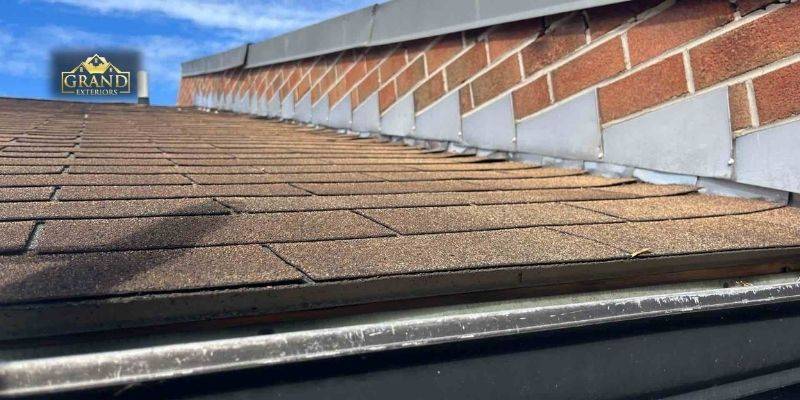
3. Improper Flashing Installation
This is one of the most frequent roofing mistakes that cause leaks.
- Mistake: Using cheap materials or relying on caulk instead of metal flashing around chimneys, skylights, and vents
- Costly Consequences: Leaks that rot roof decks and damage interior ceilings
4. Layering New Shingles Over Old Ones
Among common roof installation mistakes, this shortcut is one of the most expensive.
- Mistake: Adding a second layer to avoid tear-off costs
- Costly Consequences: Hidden rot, uneven surfaces, and voided manufacturer warranties
How to Avoid
- Budget for full tear-off (typically 1,000−3,000 extra).
- Inspect the decking for soft spots before re-roofing.
5. Ignoring Small Leaks Until They Become Big Problems
- Mistake: Waiting until ceilings stain or sag to address leaks
- Costly Consequences: Rotted framing, electrical hazards, and $10,000+ structural repairs
How to Avoid
- Inspect attics after heavy rains (look for damp insulation or wood stains).
- Replace cracked or lifted shingles immediately.
6. DIY Repairs Without Proper Knowledge
Patching without the right skills is behind many common roof repair mistakes.
- Mistake: Patching leaks with tar or mismatched shingles
- Costly Consequences: Temporary fixes that worsen damage and complicate professional repairs
How to Avoid
- Leave complex repairs (like valley repairs or flashing) to pros.
- Use exact match shingles for small repairs (save leftovers from the original install).
7. Hiring the Wrong Contractor
This is one of the most costly roofing mistakes a homeowner can make.
- Mistake: Choosing roofers based solely on low bids.
- Costly Consequences: Subpar materials, skipped permits, and no recourse for bad work
How to Avoid
- Verify licenses, insurance, and manufacturer certifications (like GAF Master Elite).
- Check for local references and read reviews about post-installation support.
8. Neglecting Regular Maintenance
Skipped upkeep tops the list of roof maintenance mistakes.
- Mistake: Assuming roofs are “install and forget” systems
- Costly Consequences: Moss growth lifting shingles, clogged gutters causing water backup
How to Avoid
- Schedule bi-annual inspections (spring and fall).
- Clean gutters and trim overhanging branches.
9. Incorrect Nail Placement
Nail errors are a classic roofing installation mistake that shows up after the first storm.
- Mistake: Under-driving or overdriving nails during shingle installation
- Costly Consequences: Shingles tearing loose in high winds or nails backing out and causing leaks
How to Avoid
- Use roofing coil nails (not staples or short nails).
- Follow manufacturer specs for nail placement (usually 5-6 nails per shingle).
10. Failing to Secure Proper Permits
- Mistake: Letting contractors “skip the paperwork” to save time
- Costly Consequences: Fines, problems selling your home, and insurers denying storm damage claims
How to Avoid
- Confirm permits were pulled before work begins
- Get final inspections signed off
Bonus: Seasonal Traps to Avoid
- Winter: Installing roofs in freezing temps can prevent proper shingle sealing
- Summer: Asphalt shingles become brittle when installed in extreme heat
- Solution: Schedule roofing projects for spring/fall when temps are 45-85°F.
Final Words
Finally, careful planning, hard work, research, and maintenance require an active approach to avoid expensive roof mistakes. By understanding the general disadvantages, such as neglecting proper inspections, choosing subpar materials, or skimping on professional labor, you can protect your investment and ensure your roof lasts longer. Applying the strategies mentioned in this post will not only help you save money, but also improve the overall performance and durability of your roof system. Ultimately, a well-informed homeowner is the best defense against unexpected expenses, allowing you to protect your property and enjoy peace of mind for years to come. Knowing the common roofing mistakes above is the best way to keep your roof and your budget in good shape.