Key Takeaways
- Roof leaks often stem from bad flashing, clogged gutters, or ice dams
- Missing or damaged shingles result from age, wind, or poor installation
- Poor roof ventilation leads to hot attics, mold, and ice dams
- Flashing damage, including rust, cracks, missing sealant, etc
- Roof punctures/holes from foot traffic, branches, or animals
- Membrane shrinking/blistering on flat roofs
- Sagging roof structure signals water damage or excess weight
If you live in Minnesota and are interested in the most common roofing problems, this guide can be very helpful. Here, we have listed the top roofing problems and discussed them comprehensively.
Usually, harsh weather conditions serve as a constant threat to the roof’s structure. When exposed to extreme temperature fluctuations, problems such as roof leaks, ice dams, attic condensation, and mold growth can appear.
To avoid this and keep your roof in good shape for the years to come, you need to understand the common roof issues and their solutions. This will allow you to identify the issue and resolve it as soon as possible.
Let’s check out this comprehensive guide on the top 10 common roofing problems and their solutions!
Top 10 Most Common Residential Roof Problems
Your roof silently fights against extreme weather year after year. It protects you from ice, snow, and strong winds, ensuring a comfortable and secure living experience. However, there’s a price to be paid.
Extended exposure to harsh weather conditions can wreak havoc and damage your roof. Understanding the types of roof problems can help with early detection and prevent major damage by addressing minor issues.
To help you with this, here are the top 10 most common roofing problems along with the solutions to fix them:
1. Roof Leaks
This is among the most prominent signs of roof damage. Early detection of a roof leak is crucial, as it makes a huge difference. For instance, early diagnosis and timely repairs can prevent extensive interior damage.
When water starts dripping from the ceiling even after a few hours of rainfall, it’s an indication that your roof needs immediate attention. Some other telltale signs include discoloration, dark stains, or mold growth.
Causes
Listed below are the key triggers associated with roof leaks.
- Badly installed or broken flashing around vents, chimneys, and skylights.
- Clogged or partially damaged gutters.
- Deteriorated or weakened sealant.
- Creation of ice dams.
Prevention & Solutions
If you wonder how to prevent roof leaks, the answer is quite simple. You just need to stay vigilant and perform regular maintenance. Besides, inspecting your roof before and after the winter season can help prevent roof leaks.
By identifying minor issues and fixing them at the earliest, it’s possible to avoid extended damage. For this purpose, you can seek help from a professional roof inspection team. Some minor repairs include replacing the cracked shingles and resealing the roof flashing.
2. Missing or Damaged Shingles
Identifying damaged or missing shingles isn’t hard. This is among the most visible signs of roof damage. You can easily spot the areas where shingles are completely absent. Besides, the accumulation of granules also indicates that shingles have started to disintegrate.
Causes
Here are the main causes of shingle deterioration:
- With age, shingles become brittle and start to detach.
- High-speed winds and storms can damage shingles and tear them away.
- Improper installation also causes the shingles to lose their strength.
Prevention & Solutions
You can prevent early damage to the shingles by careful monitoring of the roof after a storm or heavy rain. If it’s not safe for you to perform the inspection, it’s better to hire a professional roofer. Early intervention can avoid structural deterioration and prevent leaks.
3. Clogged Gutters
When gutters are damaged, they are easily noticeable. Leaking or overflowing are two of the most prominent signs of clogged gutters. Also, sagging sections suggest that a huge amount of granules and sand is trapped in the gutters.
Causes
These are the major causes of clogged gutters:
- Accumulation of leaves, twigs, and dirt.
- Animal nesting, especially formed by small rodents and birds.
- Ice formation during winter also clogs the gutters.
Prevention & Solutions
By following a regular cleaning routine, it’s possible to prevent or avoid gutter clogging. Besides, make sure to thoroughly clean gutters seasonally, especially after the rainy season and winter.
4. Lack of Good Roof Ventilation
Inadequate ventilation can prove detrimental to the overall structure of your roof. Therefore, it’s essential to identify the ventilation issue as early as possible. The major signs of a malfunctioning roof ventilation system include an excessively hot attic during the summer.
Also, visible signs of mold or mildew growth can be observed during or after a rainy season. If the humidity is trapped inside the house, condensation appears on attic surfaces or windows. Besides, the formation of ice dams is a clear indication of poor ventilation.
Causes
The following are the most noteworthy causes of poor roof ventilation:
- A less efficient attic ventilation design.
- Blocked air vents or clogged air filters.
- Combining the kitchen and attic ventilation systems.
Prevention & Solutions
Regularly monitor and clean the vents. This prevents clogging and improves air circulation throughout the house. Also, make sure the soffit vents aren’t blocked by the attic insulation. You can also install rafter vents or baffles to keep the airflow channel in working condition.
5. Damage to Flashing
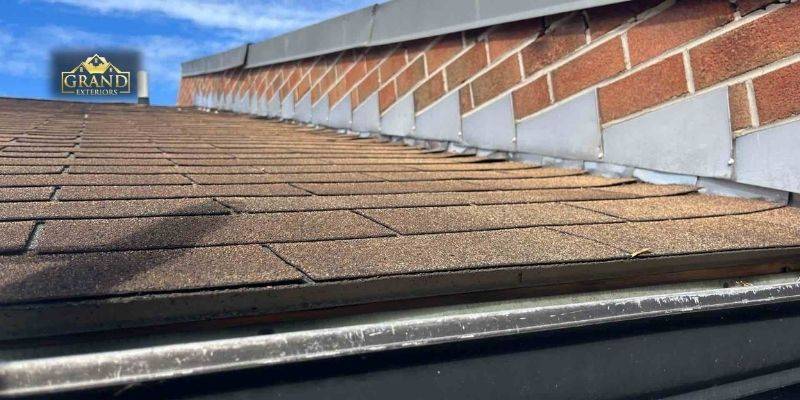
The clear signs of flashing damage include chronic leaks around roof vents, chimneys, or skylights. Some other visual indicators include corrosion/rust on metal surfaces and missing sealant.
Causes
Flashing is one of the most common roofing problems, and here are some of its causes:
- Bad or non-professional installation
- Insufficient sealant or improper layering.
- Cracked metal and loosening connections due to high-humidity environments.
- Physical damage from ice or falling branches.
Prevention & Solutions
If you want to prevent your roof’s flashing from extended damage, reliance on high-quality roofing materials is crucial. For instance, you should consider using corrosion-resistant flashing materials such as aluminum, copper, or galvanized steel.
Besides, you can increase the overall lifespan of flashing with regular maintenance. If possible, frequently inspect flashing joints and closely monitor areas where roof planes are joined. Also, re-sealing the edges prevents the water from seeping into the roof deck.
6. Ponding Water
This is among the most common types of roof problems and can cause serious damage to the roof. If this happens, the water remains on the roof for 1 to 2 days after rain. Some other signs include darkened/discolored patches, mold growth, or visible dampness.
Causes
Below are the leading causes of the ponding water problem:
- Clogged scuppers or roof drains.
- Inadequate slope or water drainage mechanism.
- Accumulation of leaves, branches, and debris on the roof.
Prevention & Solutions
By addressing the underlying causes, it’s possible to prevent this problem. Make sure to improve the drainage of your roof. This can be achieved by creating active drainage slopes toward the edges and drains. Also, regularly clean scuppers, drains, and gutters to prevent blockage.
7. Roof Punctures and Holes
This is one of the most common roof issues, capable of compromising your roof’s integrity. The clear signs include tears, visible holes, or cuts in shingles. You can also witness stains and dampness on ceilings immediately after rain. In severe cases, you may experience constant dripping.
Causes
Listed below are the prominent causes of roof punctures:
- Improper equipment installation or concentrated weight can puncture membranes.
- Extensive foot traffic can cause holes and punctures in a roof.
- Falling tree branches can create a huge impact and ultimately puncture the roof.
- Animal activities like squirrels making holes in the roof.
Prevention & Solutions
Limiting the foot traffic and trimming surrounding trees can minimize puncture risks. Make sure to use high-quality roofing materials. Also, you can reduce the risk of animal intrusion with regular roof inspections.
8. Roof Membrane Shrinking or Blistering
The appearance of deformations on the roof’s surface clearly indicates this type of roof damage. Blisters appear on the membrane as raised areas. You can easily identify bumps ranging from small to large. Besides, deep wrinkles across the roof suggest that the membrane is shrinking.
Causes
The primary causes of roof membrane shrinking include:
- Flat and low-slope roofs are usually more prone to membrane shrinkage.
- Improper or insufficient installation causes the membrane to shrink.
- Prolonged exposure to UV radiation lowers the stretchability of the membrane.
- Extreme temperature variations result in extreme contraction and expansion.
Prevention & Solutions
To start with, you need to choose high-end materials that can withstand harsh outdoor elements. For instance, choose heat-stabilized and UV-resistant roof coverings. In addition, hire experienced, qualified roofing installers to achieve the best possible outcome.
9. Mold, Algae, or Moss Growth
Mold growth is an outcome of the most common roof leaks. It is visible on the roof, usually in the shape of black or green discoloration. Moss usually appears as a green velvety layer on the roof. This makes your roof extremely hazardous for the maintenance team, as the surface becomes too slippery.
Causes
These are the factors that cause mold or moss growth:
- Retention of the moisture for an extended period.
- Inadequate ventilation also increases the roof’s moisture level.
- Roof sections that stay under shade are more vulnerable to moss growth.
Prevention & Solutions
You can prevent mold growth by making your roof less hospitable to it. By installing copper or zinc strips along the roof ridge. This helps inhibit biological growth. Also, hiring professional roof cleaning services can help prevent mold growth. Usually, they use gentle and low-pressure cleaning solutions to clean the roof. This protects the roof from further damage.
10. Sagging Roof Structure
Bowed or curved rooflines are an indication of a sagging roof. The structural deflection is visible even from the street. From inside, you can also observe cracks in the ceiling drywall and sagging in attic rafters. Popping or creaking sounds are the audible signs of a sagging roof.
Causes
A sagging roof can seriously impact your home’s structural integrity. Here are the true causes of this issue:
- Water damage caused by prolonged humidity and seepage.
- Excessive weight on the roof in terms of massive snow accumulation.
- Low-quality installation of the roofing material.
- Installing heavy equipment weakens your roof’s strength.
Prevention & Solutions
To prevent sagging, you need to address contributing factors like water seepage, excessive weight, and rotting roof components. Quickly remove excessive snow after the snowstorm. Regularly schedule attic inspections by a professional roofing company.
How to Identify and Fix Common Winter Roofing Problems
Winter comes with its own challenges for homeowners in Minnesota. Most roofing problems, such as common roof leaks, often occur in winter. To protect your roof from the extreme impacts of winter, you need to identify and fix common roofing problems as early as possible.
The following are the 7 common roofing problems and solutions associated with the winter season:
1. Ice Dams
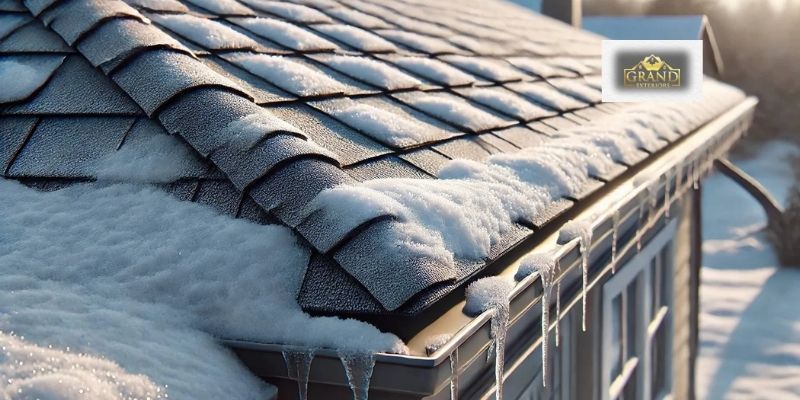
Ice dams are among the most destructive roofing problems you might face during winter. They usually form due to the heat escaping from the living room and reaching the roof deck. The accumulated snow melts and creates an ice dam. The standing water starts to seep under the shingles and damage the ceiling.
To avoid this issue, you need to maintain a uniformly cold roof. For this purpose, it’s essential to improve the attic insulation. This prevents the indoor heat from reaching the roof deck. If there is an ice dam sitting on your roof, get it removed by a trained and qualified roofer.
2. Snow Accumulation
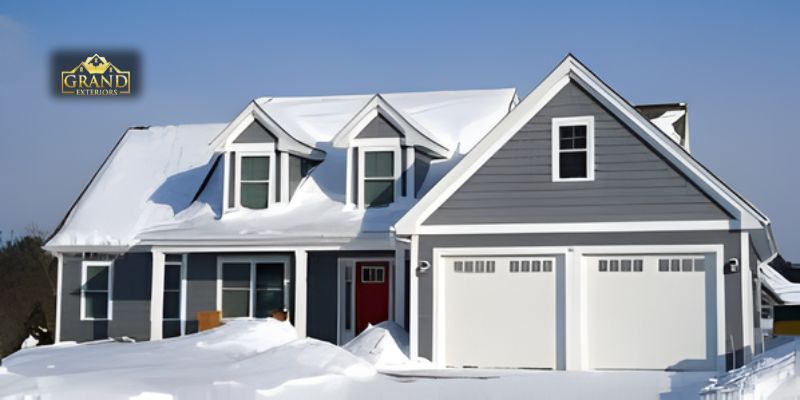
Massive snow accumulation is a structural threat to your roof. Roofs are designed to hold a specific load range. This suggests that wet and heavy snow can compromise the overall strength of a roof. Repeated snowfalls can cause roof deflection or cracking.
To prevent extensive damage, proactive management can play a key role. Remove the heavy snow after every snowstorm. However, when doing so, you need to be extremely careful. Avoid piling snow on one side of the roof, as it might increase the chances of a roof collapse.
3. Roof Leakage
Winter leakage differs from leaks caused by rain. Usually, the melting snow gradually seeps through the roof without even being noticed. It usually affects existing weak spots, such as cracked flashing, lifted shingles, or gaps.
Normally, homeowners inspect their roof using abrasive tools, compromising the weak areas. This is one of the most common roofing maintenance mistakes. Therefore, prevention demands a thorough inspection by professional roofers, especially before and after the winter season.
4. Condensation Problems
Condensation is among the most common roofing problems and a silent winter threat. This happens when warm, moist air rises into the attic and meets the cold roof sheathing. The temperature difference condenses the moisture and causes roof leaks.
Besides, moisture causes the wood to rot and reduces the roof’s structural strength. Other signs include mold/moss growth, dripping, and compromised insulation. To solve this, you don’t need an expensive roof damage repair.
On the contrary, you need to control the moisture through proper ventilation. Also, seal gaps and holes that allow the moist air to enter the attic. You can also use a dehumidifier to keep the moisture under controlled limits.
5. Gutter Clogging
Gutters serve as the most crucial part of a roof. It helps with the active drainage of the rainwater and melted snow. However, they can easily get clogged by leaves and other debris from the tree.
The water standing in the gutters freezes during extreme winter conditions. This aggravates the situation by completely blocking the flow of water.
During the spring season, the ice melts and has nowhere to go but to seep slowly into the shingles and damage the ceiling. To prevent this from happening to your roof, schedule regular gutter maintenance.
To keep your roof prepared for extreme winter weather, clean downspouts and gutters, especially after fall. In addition, consider installing gutter guards if your home is surrounded by trees. This would lower the risk of debris accumulation in the gutters.
6. Flashing Damage
Flashing is a thin metal strip made of aluminum or galvanized steel. It’s installed at valleys, roof intersections, and around protrusions such as skylights, vents, or chimneys. It helps create a watertight barrier. However, with thermal contraction and expansion, flashing can lose its grip.
Even a small gap around the flashing can serve as a funnel and lead water down to the ceiling or roof deck. To avoid this, make sure to schedule pre-winter roof inspections. Experienced roofers can test the flashing and repair it if necessary.
This is among the simplest and most common roof repairs. Professional roofing companies use industrial-grade and weather-resistant sealants that work exceptionally well during extreme weather.
7. Roof Vent Damage
A roof ventilation system consists of structures like ridge vents, soffit vents, and static vents. It helps remove excessive heat and moisture from the attic. During winter, snow can cover low-profile vents, which block the airflow and cause condensation.
In addition, ice can build up inside the vent hoods and obstruct the airflow. If this happens, the attic overheats and speeds up the snow melting process. This leads to a bigger issue, known as an ice dam. Also, missing or damaged vent caps can serve as entry points for moisture and rodents.
Prevention measures include removing debris and ice from the vents. You can use a roof rake or a broom to gently open clogged vents. For cracked, dented, or missing screens, it’s advised to get them repaired by a professional roofing contractor.
Final Words
We hope to have done justice with our topic and offered you the most crucial information. If you want to protect your roof, try to schedule regular inspections. This allows the fault lines and minor issues to be revealed. When a minor problem is identified and resolved, you can prevent damaging your roof to a stage where there is no option but to go for a much more expensive option, ‘the roof replacement’.
Want to schedule an inspection or need more information on the most common roofing problems? Just feel free to contact us.