As winter is coming, is your roof on your worry list already? Can your roof withstand severe weather throughout winter? To get rid of this thought, you need to take the necessary steps to prepare the roof — learning how to prepare your roof for winter properly can save you from major headaches later.
Winterizing your roof is important because it helps the house avoid costly repairs and preserves its usability during the winter season. A roof plan can help you prevent common winter issues such as leaks, ice dams, and weather-related structural damage.
We have prepared a comprehensive guide that will cover key roof inspection tips, strategies for managing snow and ice, preventing ice dams, and making necessary repairs before winter strikes. A thorough maintenance program and appropriate seasonal care therapies provide ample buffer against potential winter and internal roof damage and help preserve the roof for a longer period.
It covers everything from ensuring your roof is properly insulated and ventilated to addressing unique winter weather issues.
Every homeowner should ensure their roof is winter-ready so it can withstand the worst of the weather. If the roof is in bad shape, snow and ice can wreak havoc on your roof. Follow these fast roof winterization and winter roof maintenance tips to keep your house snuggle-safe all winter long.
1. Roof Inspection: The Initial Level of Winter Protection
- Detection of Leaks: You should be restlessly vigilant for leaks, especially around vents, skylights, and dealing with chimneys.
- Make sure none of the shingles are broken or missing; fix them, and ensure all of yours are in working order to keep water from entering your home. This requires replacing broken or missing shingles.
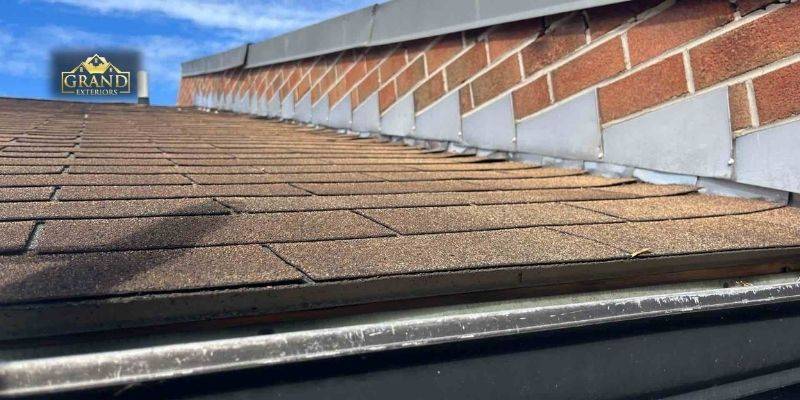
- Roof Flashing: Check that the flashing along the chimney and at the base of the roof is tight, secure, and intact.
2. Winterizing Your Roof to Ward Off Winter Damages
- Strengthened Roof Structure: Building strength in the roof allows it to hold up to heavy snow and ice.
- Clear gutters and downspouts: Backup of water behind shingles can usually lead to leaks and water damage because of the clogging of the gutters. Avoid leaving leaves and other debris in the gutters — part of proper winterizing roof gutter practice.
- Seal breaches: Ensure that any holes and cracks in every bit of the roofing material are sealed to help stop drafts and the intrusion of water.
3. Protecting Against Snow and Ice: Important for Winter
To effectively prepare the roof for snow and ice, consider the following:
- Ice and Water Shields: This type of protective barrier would be built chiefly in areas where ice dams are likely to form and prevent water from backing up and leaking along the eaves of your roof.
- Consider snow guards: Install them to prevent large snow loads from suddenly dropping off your roof, as this can be dangerous and harm people or property.
- Method of Snow Removal: Equip yourself with a roof rake for snow removal so that you can do it safely after heavy storms.
4. Prevention of ice dams: Take measures to make sure the roofing is leak-proof
Understanding how to prevent ice dams on roof structures starts with these steps:
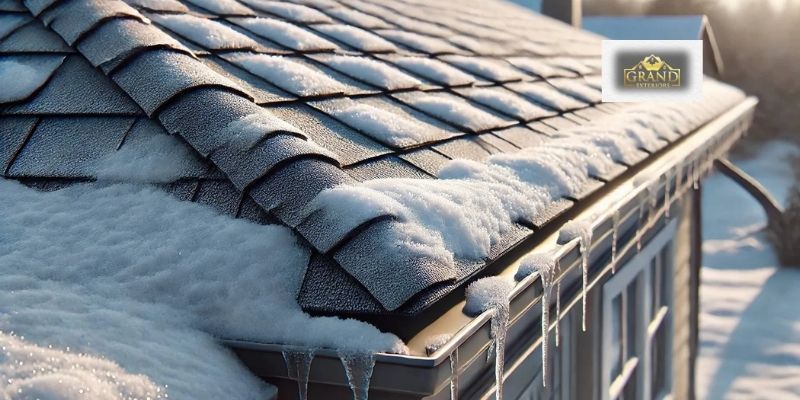
- Insulate the attic: A poorly insulated roof allows heat to escape, causing snow to melt and ice dams to form at the eaves.
- Add proper ventilation in the roof: An even temperature across the roof prevents ice dams.
- Safely eliminate icicles: Get rid of large icicles hanging from the eaves to prevent further pressure on the roof and gutter.
5. Checklist for Roof Maintenance: Mandatory for Homeowners
- Check and keep the gutters clean, where freezing conditions are expected, to allow unrestrained flow of water.
- Examine roofing materials for broken or cracked tiles, shingles, or shakes, and replace them immediately.
- Insulate the attic well enough so as to prevent rapacious escapes of heat and melting of snow on the roof.
6. Winter Roofing Tips: What You Ought to Know
- Avoid Walking on the Roof: Snow and ice make roofs slippery, increasing falls and danger of critical damage.
- Get It Done by a Pro: Call a professional roofing contractor for an inspection of your roof without hesitation, especially if you aren’t certain that it is hail- and high-wind-hardy.
- Location: The roof should have an adequate drainage plan to take away water from your building.
7. Winter Roof Repair: Grasping Damage before it Worsens!
- Immediate Leak Repairs: Small leaks can snowball into huge problems during the winter, when water damage is widespread, and mold can sprout in no time.
- Replacement of Damaged Shingles: Missing, loose, or broken shingles should be replaced to prevent intrusion of water.
- Seal Vents and Flashing: Check for openings in the flashing surrounding vents and chimneys that may allow leaks to occur and apply a sealer to these openings.
8. Seasonal Roof Care: How to Maintain Your Roof
- Monitor Roof Condition Regularly: Regular checks throughout the winter help spot any potential problems early.
- Proper Insulation: This limits heat loss and keeps it warm, even preventing the formation of ice dams.
- Check for Standing Water: Water on the roof can cause leaks and damage. Ensure that your roof is designed to let water flow off efficiently.
9. Roof Preparation for Cold Weather: Ensuring Maximum Protection
Roof preparation for winter cold starts in the attic: the attic is installed with insulation, which reduces the amount of heat escaping from a house and keeps the roof temperature constant.
- Check roof leaks in the attic: See that there are no apparent leaks in the attic that may be worsened by the freezing temperatures.
- Check the structural integrity of your roof: Ensure it can withstand heavy snow and ice.
10. Protective Roofs from Winter Damage: Best practices.
- Install a roof edge protector: A roof edge protector will prevent snow from sliding off, which can otherwise damage the roof or cause injury.
- Ensure proper draining: Check or install drainage systems such as gutters, downspouts, and downspouts to avoid accumulation of ice and water leaking.
- Proper roof insulation and ventilation: Use proper insulation and make sure it is spread out in the attic, and use a proper ventilation system.
Winter Roof Prep Checklist at a Glance
| Focus Area | Key Action |
|---|---|
| Roof Inspection | Check for leaks, broken shingles, and loose flashing |
| Winterizing the Roof | Strengthen structure, clear gutters, seal breaches |
| Snow and Ice Protection | Install ice/water shields and snow guards |
| Ice Dam Prevention | Insulate attic, improve ventilation, remove icicles |
| Maintenance Checklist | Clean gutters, replace damaged materials, insulate attic |
| Winter Roofing Safety | Avoid walking on roof, hire a professional when unsure |
| Winter Roof Repair | Fix leaks and damaged shingles, seal vents/flashing |
| Seasonal Roof Care | Monitor condition, maintain insulation, check for standing water |
| Cold Weather Preparation | Insulate attic, check for leaks, confirm structural integrity |
| Winter Damage Protection | Install edge protectors, ensure proper drainage |
Final Words
Here are the steps and tips to keep your roof safe and in good condition during the winter and through the colder months. Correct winter roof maintenance and basic roofing upkeep can go a long way in preventing costly repairs and prospective damages, making how to prepare your roof for winter one of the most valuable things a homeowner can learn before the season hits.