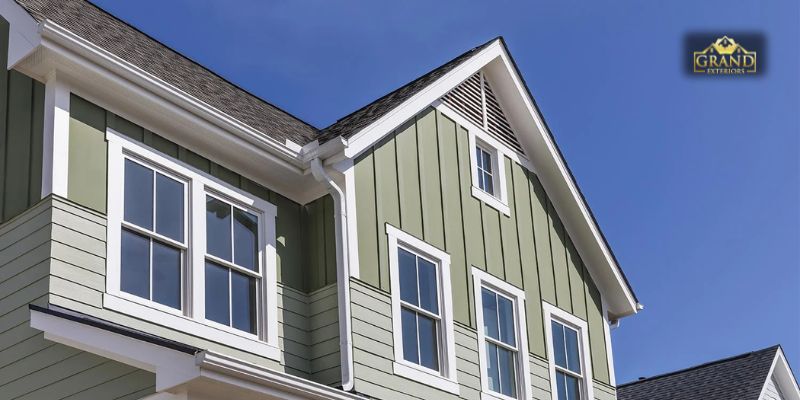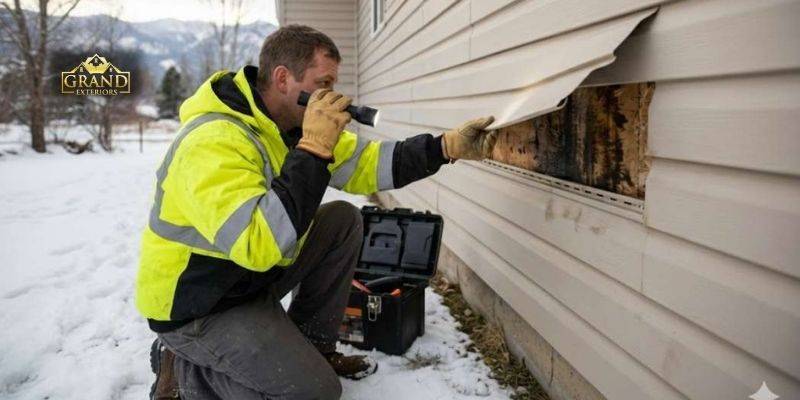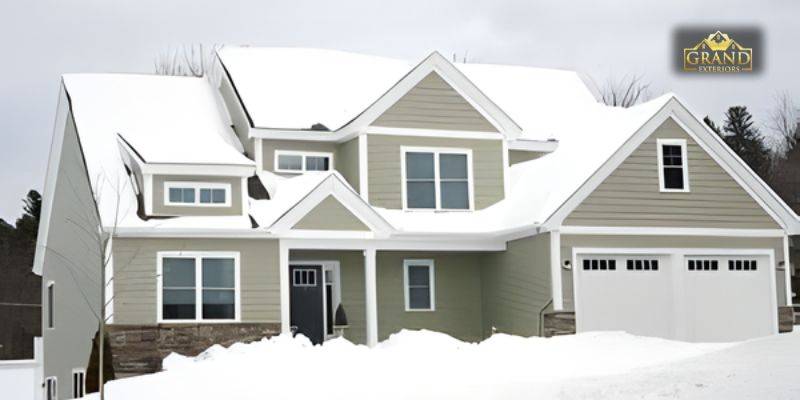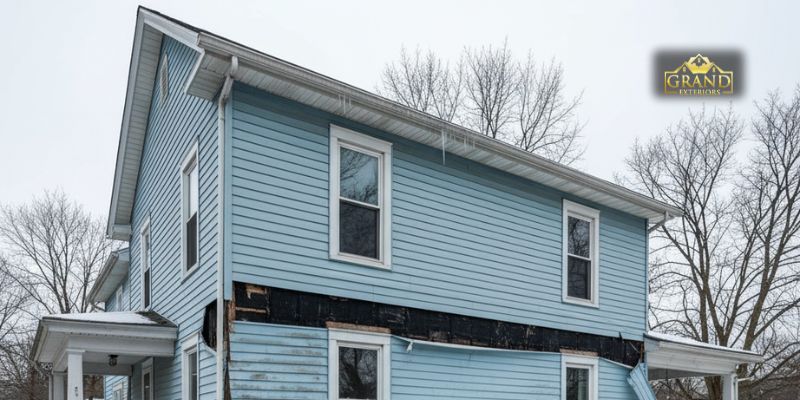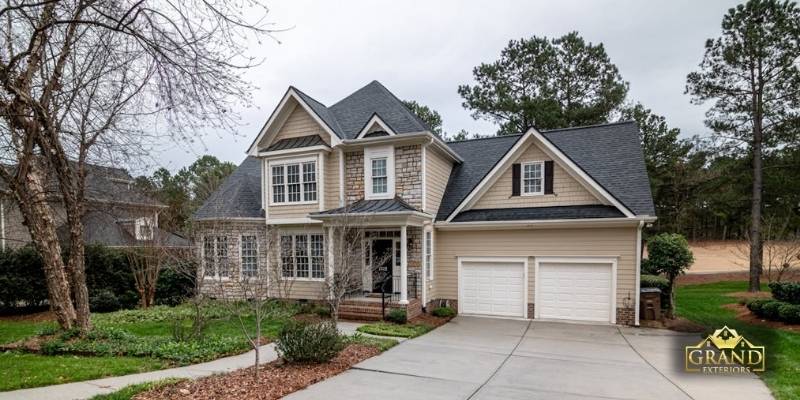
The exterior of your home is not simply a structural protective shell; it plays an important role in curb appeal, energy efficiency, and the overall value of the property. Many homeowners ask: Does new siding increase home value? The short answer is yes, and the size of the return depends heavily on the material you choose.
Since siding is visible and makes up to 40% of the home’s exterior, you want to select a material that not only protects but also enhances resale value and buyer perception.
But not all siding is created equal. While some options offer durability and timeless aesthetics that command higher offers, others may save upfront costs but fall short in longevity and market appeal. So which siding styles truly enhance home value, and which simply blend into the background?
In this guide, we’ll analyze the top siding materials proven to increase resale value, from classic fiber cement to low-maintenance engineered wood. We’ll also explore:
- ROI benchmarks for popular siding choices
- Buyer preferences in today’s housing market
- How color and texture influence perceived value
Whether you’re preparing to sell or investing in your forever home, strategic siding selection can deliver both immediate visual impact and lasting financial returns.
1. Fiber Cement Siding: The High-Performance Favorite
Fiber cement siding, like James Hardie’s popular product, strikes the precise balance between sturdiness and aesthetics. It’s a top choice for homeowners looking for long-term value. It is also one of the best siding materials for resale.
Why Buyers Love It:
- Resale ROI: Recoups 70-80% of installation costs (Remodeling Magazine’s Cost vs. Value Report).
- Durability: Resists rot, fire, and pests—lasting 50+ years with proper maintenance.
- Design Flexibility: Mimics wood, stucco, or masonry without the upkeep.
- Market Appeal: Consistently ranks as a top feature in buyer preference surveys.
Considerations:
- Higher upfront cost than vinyl (but lower lifetime cost)
- Requires professional installation for best results
2. Engineered Wood Siding: Affordable Charm with Modern Tech
Modern engineered wood offers the warmth of real wood with enhanced durability at a competitive price point.
Value-Boosting Features:
- Cost-Effective Wood Siding: 20-30% more affordable than natural wood, with similar visual appeal.
- Warranty-Backed: Get hold of products with 30-50-year warranties.
- Eco-Friendly: Made from sustainable wood composites.
- Easy Customization: Takes paint beautifully for personalized curb appeal.
Ideal For:
- Homeowners wanting a wooden look without constant maintenance.
- Regions with moderate weather (not ideal for extreme moisture).
3. Vinyl Siding: Budget-Friendly but Limited ROI
Vinyl remains America’s most installed siding due to its low upfront cost, but its impact on home value is mixed. Looking at siding replacement ROI, it trails the premium options.
The Reality:
- Cost Affordability: Offers the best deals on every square foot of installation.
- Maintenance-Free: No painting needed.
- Resale Impact: Only recoups 60-70% of cost (per NAR).
- Buyer Perceptions: Often viewed as “affordable” in mid-to-high-end markets.
Pro Tip:
- Premium thick-gauge vinyl with insulated backing performs better.
4. Natural Wood Siding: Luxury Appeal with High Maintenance
Real cedar or redwood siding delivers unmatched prestige but demands commitment.
The Upscale Choice
- Highest Perceived Value: Adds 5-10% to luxury home appraisals, a clear example of how new siding increases home appraisal value in the high-end market.
- Aesthetic Versatility: Can be stained or painted for custom looks.
- Labor-Intensive: Requires refinishing every 3-5 years.
- Vulnerabilities: Susceptible to moisture damage and insects.
Best For:
- Historic homes or high-end neighborhoods.
- Owners willing to invest in regular upkeep.
5. Metal Siding (Steel/Aluminum): The Durable Contender
Growing in popularity for modern and farmhouse styles, metal siding offers unique advantages.
Why It’s Gaining Traction:
- 100+ Year Lifespan: Outlasts most other materials.
- Fireproof & Eco-Friendly: Often made from recycled content.
- Energy Efficient: Reflective surfaces reduce cooling costs.
- Niche Appeal: Not all buyers appreciate industrial aesthetics.
Regional Note:
- Especially popular in wildfire-prone areas and contemporary urban designs.
6. Brick & Stone Veneers: Instant Prestige at a Lower Cost
Full masonry is expensive, but modern thin veneers deliver similar prestige at a lower cost. Brick and stone are classic siding options that increase home value.
Why They Stand Out:
- ROI Star: Full brick homes sell for 6-8% more (NAR data).
- Veneer Alternative: Fiber cement or cultured stone costs 50% less than real stone.
- Timelessness: Never goes out of style.
Smart Compromise:
- Use veneers as accent walls paired with other siding for cost efficiency.
Final Tip: Color Matters as Much as Material
Color is a major part of siding and curb appeal, and it shapes the best siding colors for curb appeal. A Zillow study found homes with:
- Charcoal gray siding sold for $3,000+ more.
- Soft blues/grays boosted offers by 1-3%.
- White or beige had the broadest appeal among buyers.
Siding Comparison at a Glance
| Siding Type | Resale Impact | Key Strength | Key Drawback |
|---|---|---|---|
| Fiber Cement | Recoups 70-80% of cost | 50+ year durability; design flexibility | Higher upfront cost than vinyl |
| Engineered Wood | Strong value for the price | Warm look; 30-50 year warranties | Not ideal for extreme moisture |
| Vinyl | Recoups 60-70% of cost | Lowest upfront cost; maintenance-free | Viewed as “affordable” in higher-end markets |
| Natural Wood | Adds 5-10% to luxury appraisals | Highest perceived value | Refinishing every 3-5 years |
| Metal | Niche appeal | 100+ year lifespan; fireproof | Industrial look isn’t for everyone |
| Brick & Stone Veneer | Full brick homes sell for 6-8% more | Timeless prestige | Full masonry is expensive (veneers cost about 50% less) |
The Bottom Line
The best siding investment depends on your home’s price point, location, and target buyer. Fiber cement and engineered wood consistently deliver the best blend of ROI and buyer demand, while vinyl suits budget-conscious sellers.
There’s no one-size-fits-all answer—but with the right choice, your home’s exterior can pay you back for decades. So, does new siding increase the value of your home? With the right material and color, it very often does.
Need help choosing? Grand Exteriors’ siding experts can analyze your home’s specific value drivers. You can visit the website and get a free consultation.