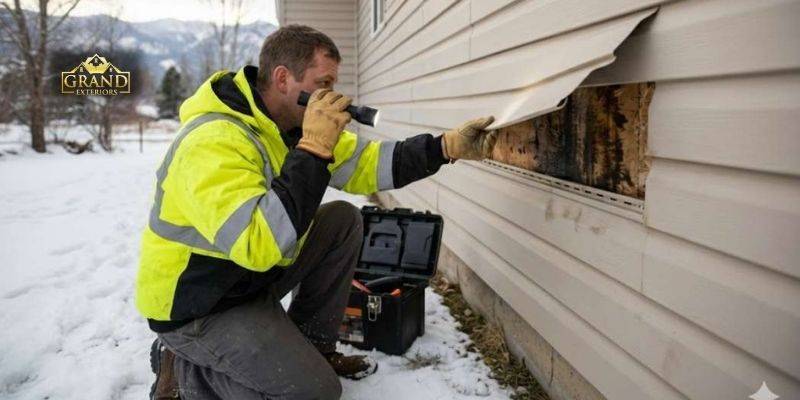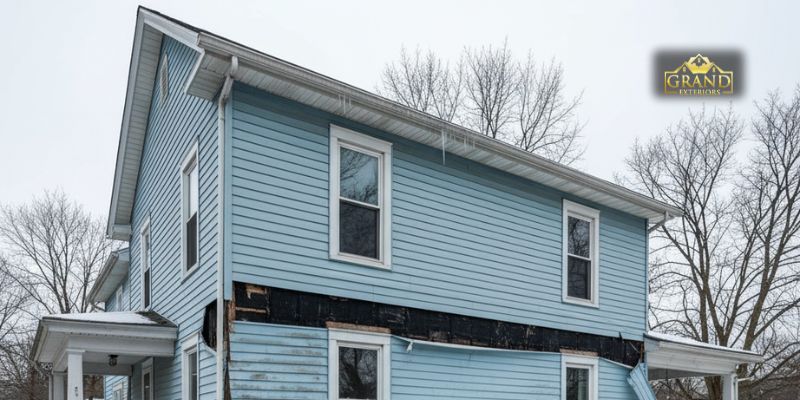
There is a hidden truth behind owning a home. The problems inside the home that you see are often problems that started outside of the home before you ever noticed them (before they made their way through the siding of your home). By the time you have noticed a damp spot on your living room wall or a persistent draft, the issue that caused this problem has already passed through your home’s primary defence (the siding). Managing these problems after they have caused damage to the inside of your home will cost you a lot more money than fixing them before they occur. You must become skilled at reading the early, subtle signs that your siding provides before the weather can enter the home.
The siding of your house is similar to the preventive treatment for your house. A tiny fissure in the covering this year may turn into a water leak next year, or a wall that is decaying next season. Let us examine the ways in which you can decipher the nonverbal message of your siding.
1. The Visual Patrol: What Can Your Eyes Detect?
As a first step toward becoming fluent in your siding’s communication, check around the exterior of your home. When doing this, don’t position yourself as a homeowner who lives in that home; instead, take on the role of a private detective as you go around your home. Do this on a dry, sunny day with good lighting. As you are looking for evidence or clues, don’t focus solely on identifying noticeable cracks or holes in your siding, but look at the surrounding areas for other signs of potential issues – potential indications that each of these areas could create a larger problem in the future.
The Colour Calculation: The fading of colour from your vinyl siding is not just a cosmetic problem. Extreme or uneven fading indicates that your vinyl siding may have gone through a lot and might be brittle and developing cracks. In painted wood or fibre cement, check for fine lines, typically found beneath windows, and where two pieces of siding meet, that appear as streaks or drip stains.
The darker and wetter the streak, the more likely it is that water is getting into the siding instead of out.
The Profile Check: Stand at a corner of your home and look at the wall you are standing next to. Is the siding straight and even, or are there waves, bulges, or panels that appear to be pulling away from the building? If you see waviness in your siding, it is highly likely that there is some type of issue beneath the siding, whether it be warped sheathing, degraded insulation, or moisture that is building up behind the siding and pushing on it.
2. The Hands-On Inspection: Looking for Issues with Your Hands
It is very possible for your eyes to miss what your hands feel. Each year, put on some gloves and conduct a thorough tactile inspection of your siding.
The Spongy Search: This is quite important for wood siding. Using light pressure on the boards will help you determine where soft or yielding areas may be located. Concentrating on the corners and bottom edge areas will be the most beneficial for testing sponginess. If soft spots are felt in these areas during the test, this indicates that rot has developed. The outer surface of the board may appear to be in excellent condition; however, the core of the board is compromised.
Loose Panel Test: To determine whether there is any looseness in vinyl, metal or fiber cement panels, apply light pressure to the panels. Are the panels feeling solid, or do they give way and/or click? If the panel moves, it indicates that the fastener that secured the panel has failed, allowing the weather elements to penetrate through.
3. The Border Inspection: Where Most Problems Start
The area where the siding attaches to another product is the most vulnerable part of the siding system. This location tends to be the most frequent source of hidden damage to wood and siding.
Caulk & Sealant Examination: Examine closely each line of caulk both in places where wood and window frames, door casings, corner trims, and roofing overlaps join. Is it in any way cracked, crumbly, or been simply shrunken down? These small cracks are very tricky but hazardous at the same time. Water finds the way through them directly, hence, it goes behind the siding “invisible” to you.
Corner & Trim Problems: The protective corner caps and trims serve not only as enhancers of the looks but also as the primary barriers in case of assault by nature on the most exposed edges of your siding. Check for signs of a nest or if there are any voids behind the insects. The wood-destroying insects like carpenter ants or yellowjackets, for instance, appear to take these little openings to enter and thereby, enlarge the destruction.
4. The Ground-Level Evidence: Clues at Your Feet
Do not overlook the possibility of finding the clues under your feet. The soil around the perimeter of your house can indicate many things concerning the state of your siding.
The Debris Field: Inspect soil, mulched beds and the foundation beneath your walls for signs of degradation. Excessive granules (from fibre cement), paint chips, and small pieces of siding are all indicators that active deterioration is taking place, leading to the release of the “dandruff” from your siding.
Foundation & Sprinkler Splash: Inspect your foundation for mineral deposits or efflorescence (white chalky material) caused by moisture accumulation on the exterior. This is indicative of water travelling behind your siding and leaking from the bottom. Also, make sure that lawn sprinklers do not consistently spray against the siding, causing additional wear.
5. The Interior Intelligence: Listen to Your Home’s Inner Whispers
Often, the earliest signs of problem areas on the exterior are felt first on the inside.
The Draft Detective: When the weather is bad, placing a hand over the indoor walls could be a good way to tell how drafts are doing in your home. The wall that gets the wind directly should be the first one to be touched.
The wall’s contact with cold air may indicate the locations of air entering your house from the outside. In case you discover such coldness, further investigation is suggested.
The Unexplainable Humidity: Do you notice that some rooms in your house are constantly wet, or they have a strange smell? In that case, there are two explanations:
First, the area might be poorly ventilated; second, it might be an active area of a wall repair where water is coming in behind the wall due to the damage to the wall and its waterproofing layers.
Conclusion: Be Your Home’s First Detective
You do not have to be a certified contractor in order to spot the exterior damages or defects of your house; you can even be a person with a keen eye who discovers it earlier than a contractor. If you find any defect with the siding system, call professionals for a thorough inspection.
Consider visual and tactile inspections to be like a seasonal ceremony. Spring and autumn can be your home maintenance routine if you include them. If you find soft spots, broken seals, or warped or misshapen panels, then do something right away. The time or money spent today may protect you and your family from the adverse effects of an invisible, slowly growing damage that will eventually come into your house through the outside.