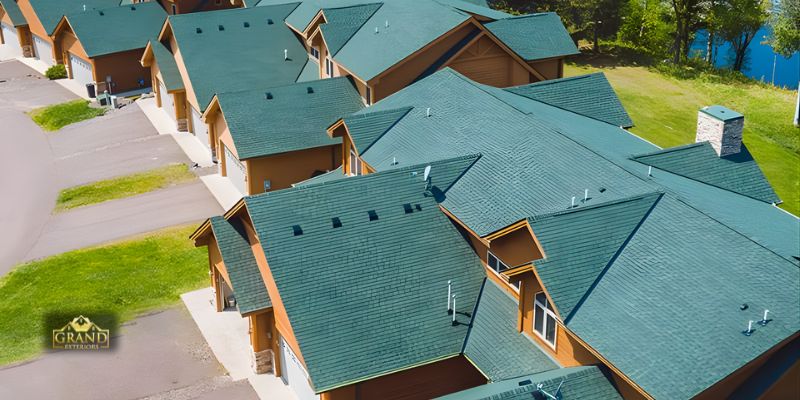
The roof of your home is one of your most valuable investments, and a key factor that determines its longevity is proper roof ventilation.
Ventilation properly conducted not only reduces the heat in your attic but also takes care of the moisture problem, reduces temperature changes, and prevents structural damage all of which are major factors that can cut down your roof life.
In the following post, we will discuss roof ventilation, the process, and maintenance tips to help you protect your home and also extend your roof’s life.
1. Roof Ventilation: What is it and how is it working?
Roof ventilation stands for the installation of roof systems that freely allow airflow through the attic space or roof space. It usually consists of the so-called intake vents (most commonly found in the soffits or eaves) and the exhaust vents (like ridge vents or gable vents).
The strategy behind this whole thing is straightforward, really — airflow is made in a manner that hot, moist air is being pushed out and at the same time cool, dry air is being sucked in. The whole circulation has a tempering effect on the roof and attic so that they end up with the temperature and humidity balanced together.
Roof Ventilation: Key Components:
- Intake Vents: Work to bring fresh air into the attic, typically in the eaves.
- Exhaust Vents: Work to let the hot air out, and are primarily located at the roof ridge.
- Baffles: Prevent the insulation from blocking, and allow for air to flow around the insulation.
2. What is the Importance of Roof Ventilation?
a. Stops Moisture Damage
Without proper ventilation, the warm air from the living space rises into the attic and gets cooled by the roof which causes condensation. Little by little, the moisture causes the following:
- Development of mold and mildew
- Rafters and decking getting decayed
- Becoming less effective at insulation
Proper ventilation keeps the attic dry and thus reduces the above-mentioned risks.
b. Energy Efficiency
A ventilated roof system will decrease the load on air conditioning units or heating systems since it generates space for hot air to develop in the roof instead of the downstays of the house. This may lower energy bills, and prolong movement in HVAC systems.
c. Prevents Winter Ice Dams
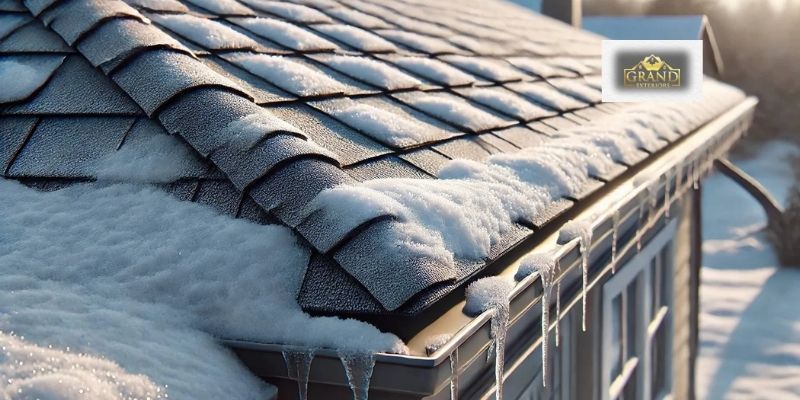
In cold climates, if the roof system is not ventilated properly, no aspect of the roof or building has an even temperature. If one part of the roof has an even temperature than the other, snow will melt on the warmer parts of the roof and refreeze at the edges of the building. It is possible for shingles at the edges of the roof, and in the gutters to hold trapped water and develop an ice dam due to snow or ice melting, freezing, and accumulating. With proper ventilation in a roof system, all aspects of the roof surface can become evenly cooled, and ice damming can be reduced.
3. Signs of Poor Roof Ventilation:
Here are some typical signs that might signal your roof has poor ventilation:
- A spike in your energy bills due to heat buildup
- In summertime, the attic space is hot or humid
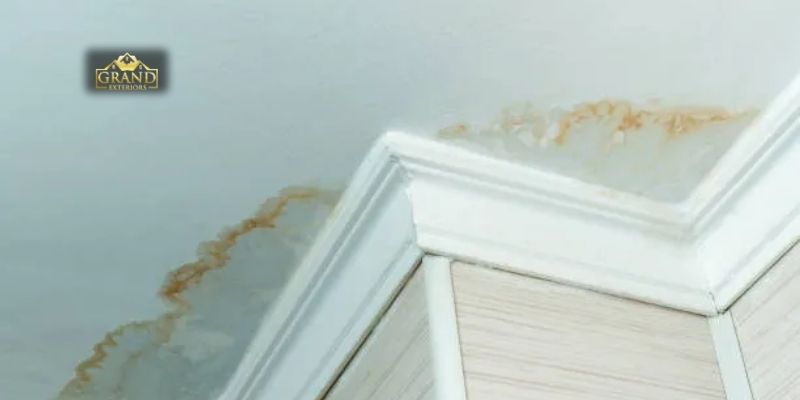
- Dew on the rafters or stains on the attic roof
- Ice damming during the cold months
- Peeling paint or blistering shingles
If you see any of these signs, consider evaluating your ventilation system.
4. Keeping Roof Ventilation Clean:
a. Regularly Inspect Your Vents
You need to check for airflow in each intake and exhaust vent at a minimum frequency of two times each year. Sometimes you can feel airflow by simply placing your hand into the vent, and also notice if there is any possible blocking (such as leaves, debris, or a bird’s nest). Make sure that any screens are functioning properly (to prevent pests).
b. Do Not Block Soffit Venting
If you are gasping insulation or doing a renovation in the attic of the home, make sure that the ventilation is not being blocked off by insulation. If they are, you can add baffles (looks like cardboard) between the insulation, and the soffit vent to allow for airflow.
c. Check for Mold and Moisture
Check your attic for any possible moisture areas, musty smells, or apparent staining from leaks. These are all possible signs of humid air trapped in the attic. If caught early enough, it is unlikely you will have as much damage to the roof.
5. More Ways to Extend the Life of Your Roof:
Have your roof inspected yearly. If there are issues with ventilation, flashing or broken shingles, they will most likely be identified as still relatively minor.
Change the broken shingles without delay. This will not only stop the water from leaking but also the roof from getting more ruined.
Make ventilation in the roof space evenly distributed. A common guideline is 1 square foot of vent area for every 300 square feet of attic space.
Conclusion
A roof with good ventilation is not only comfortable but also a preserver of your investment. The right ventilating system helps the roof to last longer, to avoid expensive repairs, and to operate more efficiently. Moreover, it gives a better quality of indoor air.
If you keep taking care of it, looking after the attic conditions, and getting the roofing experts’ advice, your roof will still be able to guard your house after many years.