Key Takeaways
- Ignoring minor siding problems can lead to costly structural damage over time
- Moisture intrusion is the biggest threat, causing rot, mold, and weakened framing
- Damaged siding increases energy bills by letting conditioned air escape
- Common problems: cracks, warping, mold, loose/missing panels, and water damage
- Small cracks can be sealed with caulk; large holes or warping usually require panel replacement
- Regular inspections (especially after storms) and cleaning help prevent most issues
- Replace siding if over 30% is damaged or the underlying structure is rotted
- Call a professional for hidden damage, structural issues, or multi-story homes
- Address issues early—small cracks can become major, expensive problems if left unattended
Interested in knowing the common siding problems and their possible solution? If yes, this exhaustive guide on common siding issues will definitely help. Siding serves as the first line of defense or primary protective layer. Apart from giving your home a stunning look, it also protects you from external elements.
Healthy siding safeguards the interior from extreme temperatures and moisture intrusion. However, this protective layer isn’t immune to the tough outdoor conditions. Once the siding loses its strength, you start to witness initial signs of wear and tear. These include small cracks, mold growth, and loose panels.
Initially, these exterior siding problems don’t look threatening, but could cause some serious damage if left unattended. Therefore, identifying common problems of sidings is essential for implementing prevention strategies.
Let’s dive deep into this guide and learn about some common siding issues and how to fix them.
Why Siding Problems Should Never Be Ignored
Mostly, homeowners consider siding as a cosmetic aspect. They don’t pay much attention to a damaged panel or a few spots showing signs of mold growth. This could turn out to be a costly mistake.
Here is why every siding problem needs your utmost attention:
Moisture Leads to Rot and Mold
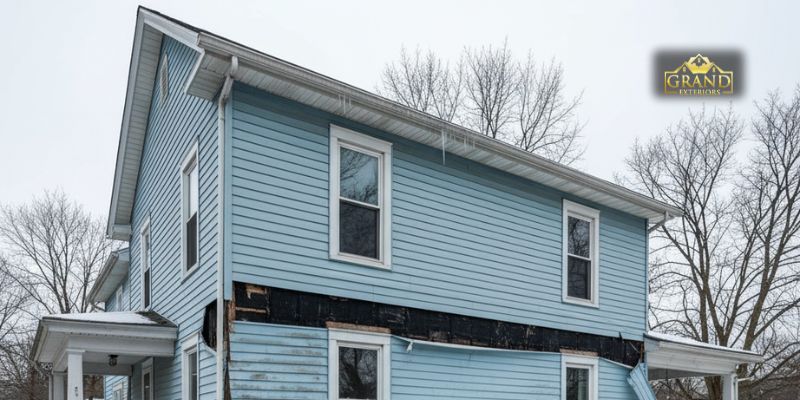
Water is the biggest threat to your home’s siding. The moisture can easily seep through the gaps or cracks and damage framing or underlying sheathing. Over time, trapped moisture causes the wood to rot and compromises the structure’s overall integrity.
Significant Energy Loss
Damaged siding welcomes a wide variety of issues. Holes, gaps, or warped panels permit conditioned air to leave the interior. In severe cases, outside air also begins to enter the home, straining the air conditioning system.
For instance, the heating system works harder to compensate for the cold air entering the home. Similarly, during summer, the air conditioner also struggles to maintain a comfortable temperature. As a result, your energy bills start to exceed the budget.
Progressive Structural Damage
A single crack in the panel might lead to extensive water damage. It causes the insulation to degrade, wall studs to rot, and even compromises the structural framing of your home. Besides, prolonged exposure to moisture delaminates the sheathing, compromising its strength.
Reduced Home Value
Curb appeal plays a critical role in defining a home’s overall value. Deteriorating siding is easy to notice. Visible mold, faded colors, and warped panels indicate the hidden damage. A home with obvious exterior issues is either hard to sell or depreciates over time.
Most Common Siding Problems Homeowners Face
Listed below are the most common siding issues homeowners face:
- Moisture & Water Damage
- Warping or Buckling
- Cracks, Holes & Impact Damage
- Fading & Discoloration
- Mold, Mildew & Algae Growth
- Loose or Missing Panels
Moisture & Water Damage
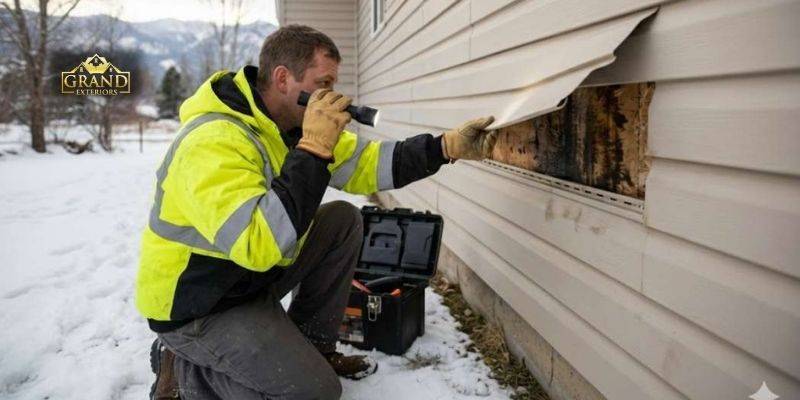
Moisture damage is easy to identify. Look for signs such as peeling or bubbling paint on siding. Spongy or soft spots on the siding indicate rotting wood. Besides, a musty odor suggests mold growth. Inside, you might notice signs like water stains on the walls. In most cases, moisture and water damage are the culprits behind siding lifespan issues.
Causes
Hiring low-quality siding replacement services is the leading cause of moisture damage. Improper installation leaves gaps between the siding, which allow moisture to seep into the frame. In addition, inadequate flashing around doors, corners, and windows also results in moisture buildup.
How to Fix
To start, make sure to identify the moisture source. Look closely around the gutters, seams, or sprinklers. Next, it’s time to remove the existing siding panels and analyze the sheathing. Replace only the damaged siding panels to keep costs to a minimum.
If the wood starts to rot, replace the section before installing new siding. Before installing new siding, protect the repaired parts using a weather-resistant layer or wrap. To get the best possible outcome, rely only on professional siding repair services.
Warping or Buckling
The visual signs include wavy sections of siding. Panels usually pop out of the channels, creating large gaps. In extreme conditions, the siding panels could crack, leaving the sheathing fully exposed.
Causes
Depending on the siding materials, there are numerous causes of warping. For instance, excessive heat can destroy vinyl siding. Especially, dark-colored vinyl siding absorbs more light and heat, causing it to expand. Panels installed too close can also face similar issues.
How to Fix
Minor warping issues can be dealt with by removing the affected panels. Before installing the new panels, it is essential to inspect the nailing. There should be sufficient gaps between the panels. This allows for expansion and prevents the siding from warping.
Cracks, Holes & Impact Damage
You can easily locate cracks and holes in the damaged siding. In some cases, the chunks of siding material are also missing. Initially, the cracks might seem subtle and can only be detected by placing your hand on the siding.
Causes
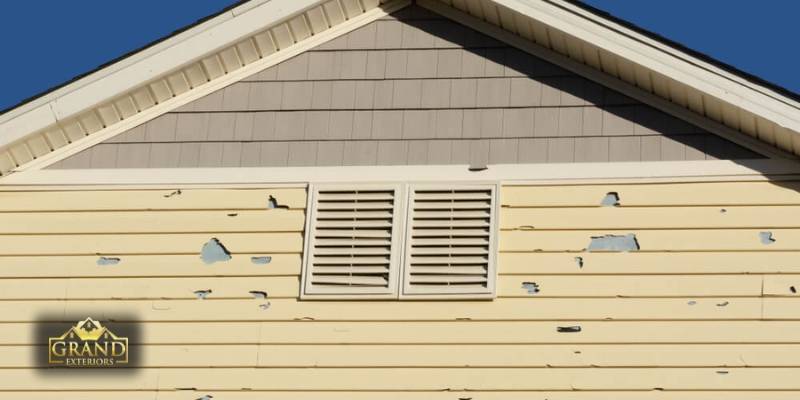
For vinyl or aluminum siding, hailstorms can cause maximum damage. Apart from this, falling tree branches can also cause extended damage to the siding. Older siding can’t even sustain the impact of pressure washing.
How to Fix
Small cracks can be sealed with siding repair compound or exterior-grade caulk. The sealant is applied after cleaning the crack. Once dry, the patch is painted to match the exterior. For cracks or holes exceeding 6 inches, it’s advised to cut the damaged part and fit a piece of matching siding.
Fading & Discoloration
A noticeable difference in siding color between exposed and shaded sections indicates fading or discoloration. It affects the overall appearance and curb appeal of the house.
Causes
The most prominent cause is the high-intensity ultraviolet (UV) light. This happens quickly if the outer walls are extensively exposed to sunlight. In addition, darker colors absorb more light and are prone to discoloration.
How to Fix
If the discoloration is mostly due to dirt accumulation, you can deal with this issue by simply wiping out the siding using mild cleaning agents. If fading is severe, replacing the damaged siding panels is the most prudent decision.
Mold, Mildew & Algae Growth
This is among the most common siding problems homeowners face. Normally, it involves the growth of mold or algae on siding surfaces. You can easily spot black, gray, white, or green patches on the siding.
Causes
Persistent moisture or dampness is the true cause. Mostly, it appears on the walls facing north, as they receive less sunlight and don’t dry quickly after rain. In addition, humid air also contributes to the growth of mold or algae. Since wood absorbs moisture, siding panels made of wood are more vulnerable to this issue.
How to Fix
Fixing this siding problem is a lot easier when it is noticed earlier. Just clean it using siding cleaner specifically labeled for mildew and mold. Spray the affected area and leave it for 10–15 minutes. To scrub it, use a soft brush. Repeat the process for areas with stubborn growth.
Loose or Missing Panels
Huge gaps where panels are missing are easy to spot. Besides, flapping or dangling panels also indicate that your siding is struggling to survive. Loose panels might look fine, but they disalign when pressed slightly.
Causes
High winds and storms are among the most common causes. Poorly installed siding panels are more likely to get loose with strong winds. Besides, aging siding could no longer hold fasteners and start to dislodge.
How to Fix
For loose panels, it’s better to use nails with wider heads or try placing a washer. If the holes are too large or completely damaged, cut out the damaged area and replace it with a new piece. For missing panels, install new and matching siding. However, for extensive repair work, make sure to contact a professional storm damage restoration company.
How to Prevent Common Siding Problems
Discussed below are a few of the most effective ways to prevent common siding problems:
Regular Inspections: Make sure to walk around your home and inspect the siding panels. Especially, analyze the condition of your home’s exterior after a heavy storm. Look for signs of wear and tear, such as gaps, discoloration, and missing parts.
Seal Gaps Promptly: Inspect the sealant around doors, windows, and corners. Reseal the cracks or gaps using a high-quality sealant.
Thorough Cleaning: Regularly clean the siding with a soft brush and mild detergent. However, avoid using pressure washers to prevent damage to the materials. Removing dirt or mold also helps reveal the true condition of the panels.
Trim Vegetation: Keep the plants or shrubs at least 1 foot away from the siding. Also, trim branches that are too close to the exterior.
Siding Repair vs Replacement
Knowing when to repair or replace siding can help you save money. Here, we have explained the scenarios when a particular solution would work for you:
When Repair is Enough
Consider repairing your siding panels when:
- Only a few panels are damaged.
- Cracks or holes are relatively small and easy to fix.
- Mold or mildew can be easily cleaned without exposing huge cracks or gaps.
- Siding is structurally sound and can perform its purpose for years to come.
When Replacement is Needed
Replacement is a must under the following circumstances:
- When over 30% of the siding is damaged.
- Repairs could cost a substantial amount and aren’t feasible economically.
- When the sheathing is damaged, rot starts to compromise the structural integrity of the frame.
- You can’t find matching siding panels or relevant material to repair the exterior.
- The exterior has already undergone multiple repairs, and there is no other option but to replace the siding.
Storm Damage & Insurance Claims
Storms can cause significant and sudden damage to your home’s siding. So, be prepared and know how to respond.
How Storms Damage Siding
Strong winds can cause the panels to get loose or even rip them off. Also, the flying debris can puncture the vinyl siding panels. Similarly, hailstorms can create dents in the metal siding.
What to Check After Hail or Wind
After every storm, make sure to inspect the exterior and look for the following signs:
- Look for dents or cracks.
- Search for areas with missing or flapping panels.
- Walk around the property and look for debris impacts.
Working With Insurance
Most standard policies cover storm-related damage. However, these might be subject to deductibles. When making a claim, act promptly, as delays can lead to refusal. Request for an in-person adjuster inspection.
Also, get at least two quotes or estimates from two licensed siding contractors. Usually, professional roofing contractors like Grand Exteriors offer insurance claim assistance. This ensures peace of mind and relieves you from the hassle of hectic paperwork.
When to Call a Professional Siding Contractor
Some common siding problems need expert assistance. These include:
Hidden Damage: If you suspect some kind of moisture damage behind the siding, it’s better to hire a professional contractor. Technicians use advanced equipment like thermal imaging and moisture meters to assess damage without removing the siding panels.
Structural Concerns: Visible rots or bowing walls require professional evaluation. Structural issues aren’t safe to be tackled as DIY projects.
Insurance Claims: Siding contractors have years of experience dealing with insurance companies. They know how to document the damage or make supplement claims.
Multi-Story Homes: Working on higher elevations comes with a serious risk of falling down. It requires proper training and safety equipment, which demands hiring a siding contractor.
Large-Scale Replacement: If the scale of a siding repair job is massive and requires multiple permits, it’s recommended to seek professional help.
Final Words
Your home’s siding performs a continuous task of protecting you from the harshness of outdoor weather. It withstands blazing summer sun and brutal winters, while still ensuring the comfort of your family. However, siding can’t protect forever, especially when you leave small issues unattended.
A single crack in your siding panel can allow moisture to enter the sheathing and cause the wooden frame to rot. This might lead to a larger and more expensive problem. Therefore, it’s advisable to address the siding issue promptly, regardless of its severity.
Need more information on common siding problems or want to schedule an inspection? Feel free to contact us.