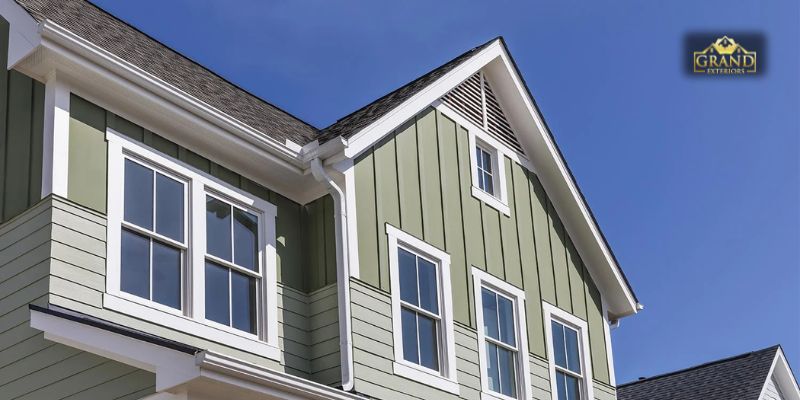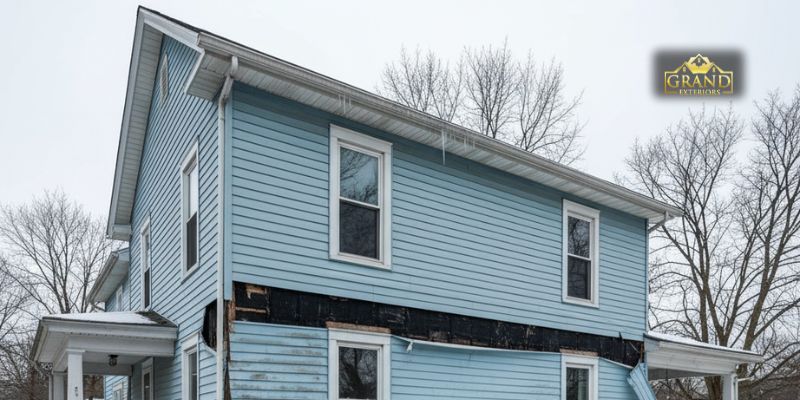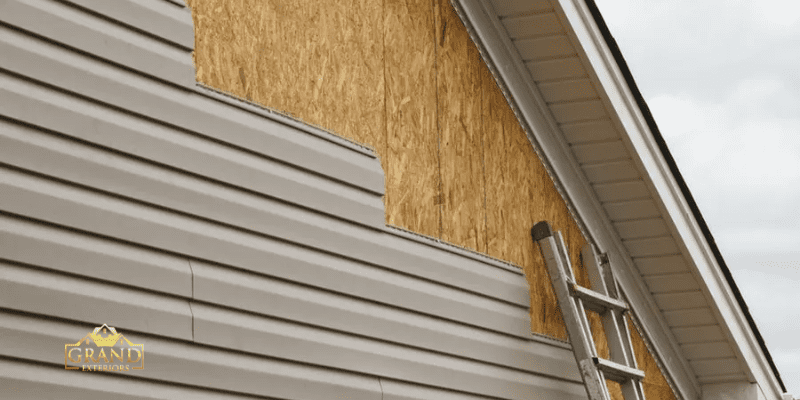
Your home is more than just a place to live; it’s a reflection of your personality, style, and values. As such, maintaining and enhancing its exterior is crucial for preserving its beauty, functionality, and value. One of the most impactful ways to upgrade your home’s exterior is by investing in new siding. However, learning how to choose a siding contractor can be a daunting task, with numerous factors to consider to ensure a successful outcome.
In this comprehensive guide, we’ll walk you through the essential factors to keep in mind when selecting a residential siding contractor. From evaluating experience and reputation to considering environmental sustainability and local regulations, we’ll cover everything you need to know to make an informed decision that meets your needs and exceeds your expectations.
Whether you’re looking to enhance curb appeal, improve energy efficiency, or increase the durability of your home exterior, the right siding service can make all the difference. So, let’s dive in and explore what to look for in a siding contractor to help you choose the perfect professional for your siding project.
Factors to Consider at a Glance
| Factor | Why It Matters |
|---|---|
| Experience and Reputation | Reflects proven skill and reliability over time |
| Licensing and Insurance | Protects you legally and financially |
| Range of Services | Ensures ongoing support beyond installation |
| Quality of Materials | Impacts durability, appearance, and longevity |
| Customization Options | Matches siding to your home’s style |
| Energy Efficiency | Affects long-term utility costs |
| Cost and Financing | Ensures transparent, fair pricing |
| Timeline and Project Management | Keeps the project on track |
| Warranty and Guarantees | Provides protection after installation |
| Customer Service | Ensures a smooth, informed experience |
| Local Knowledge | Ensures compliance with regional codes and climate needs |
| References and Portfolio | Verifies real-world quality of work |
| Environmental Considerations | Supports sustainable material choices |
| Maintenance Requirements | Matches materials to your lifestyle |
| Local Regulations and Permits | Avoids fines or forced rework |
| Cleanup and Disposal | Ensures a tidy, complete finish |
Experience and Reputation
Siding contractor experience speaks volumes about a contractor’s ability to deliver quality work. When evaluating candidates, consider:
- Look for companies with several years of experience in the industry, as they are likely to have honed their skills and built a solid reputation.
- Gauge reputation through online reviews on platforms like Google, Yelp, or Angie’s List, as well as testimonials on the contractor’s website.
- Pay attention to feedback regarding reliability, professionalism, and the overall satisfaction of previous customers — these are the hallmark qualities of a good siding contractor.
Licensing and Insurance
Confirming proper siding contractor qualifications is a non-negotiable step. Be sure to:
- Ensure that the siding contractor holds the necessary licenses and permits required by your local jurisdiction, indicating they’ve met regulatory standards.
- Verify that the contractor possesses liability insurance along with workers’ compensation coverage. Working only with licensed and insured siding installers protects you from liability in the event of accidents or injuries on your property.
Range of Services
Different homes may require different types of siding materials or services. When comparing contractors:
- Choose a siding contractor that offers a comprehensive range of options to meet your specific needs.
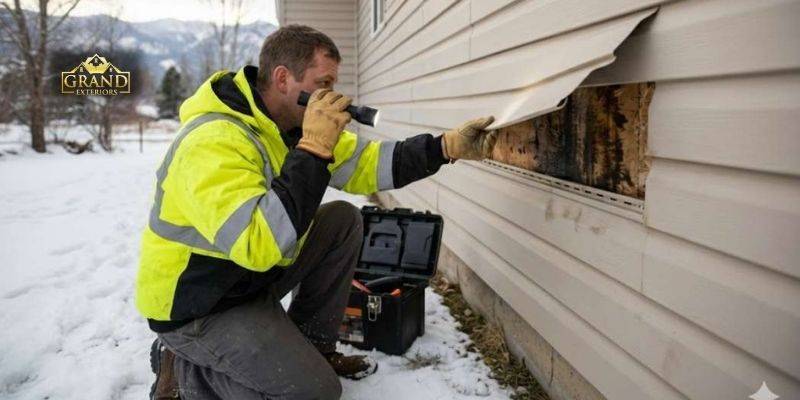
- Consider whether the contractor provides services such as siding repair, maintenance, and inspection in addition to installation — a full-service contractor can address any issues that arise with your siding in the future.
Quality of Materials
The quality of the siding materials used can have a significant impact on the appearance, durability, and longevity of your home exterior.
- Ask the contractor about the brands and grades of siding materials they offer.
- Higher-quality materials typically come with longer warranties and better resistance to elements such as moisture, rot, and pests.
Customization Options
Your home’s siding should reflect your style and complement its architectural design.
- Look for a contractor that offers a variety of colors, textures, and styles to choose from.
- Some contractors may also offer custom design options or the ability to match existing siding materials for seamless integration with your home’s exterior.
Energy Efficiency
Energy-efficient siding can help reduce heating and cooling costs by improving insulation and reducing air leakage.
- Inquire about the energy-saving features of the siding materials, such as insulation value (R-value), thermal bridging resistance, and Energy Star ratings.
- Investing in energy-efficient siding can lead to long-term savings on utility bills and contribute to a more comfortable indoor environment.
Cost and Financing
Understanding pricing upfront protects you from surprises later.
- Obtain detailed quotes from multiple siding contractors to compare costs and ensure transparency in pricing.
- Be cautious of overly low bids, as they may indicate the use of subpar materials or shortcuts in installation. Conversely, excessively high quotes may not offer good value for money.
- Discuss financing options or payment plans with the contractor to make the project more affordable and manageable within your budget constraints.
Timeline and Project Management
A clear timeline for the siding installation is essential to ensure that the project stays on track and meets your expectations.
- Ask the contractor for a detailed schedule outlining the various stages of the project, from initial preparation to final cleanup.
- Factor in potential weather delays or unexpected complications.
- Effective project management involves regular communication between the contractor and the homeowner to address any concerns or changes that may arise during the process.
Warranty and Guarantees
A reputable siding contractor should offer warranties on both labor and materials to provide assurance and peace of mind.
- Review the terms and duration of the warranties provided by the contractor.
- A comprehensive warranty demonstrates the company’s confidence in its workmanship and commitment to customer satisfaction.
Customer Service and Communication
Excellent customer service is essential throughout the siding installation process, from the initial consultation to the final walkthrough.
- Choose a contractor that is responsive, courteous, and attentive to your needs.
- Effective communication ensures that you are kept informed of progress, changes, and any potential issues that may arise.
- Pay attention to how the contractor addresses your questions or concerns, as this can be indicative of their commitment to providing a positive experience for their customers.
Local Knowledge and Experience
Opt for a local siding contractor who has experience working in your area.
- They will be familiar with regional building codes, weather patterns, and environmental factors that can influence the selection and installation of siding materials.
- Local contractors are also more accessible for follow-up services, maintenance, or warranty work, ensuring prompt assistance if any issues arise after the installation.
References and Portfolio
Request references from previous customers and ask to see examples of the contractor’s past projects.
- Viewing their portfolio can give you a better sense of the quality of their workmanship and the variety of siding styles they are capable of installing.
- Don’t hesitate to reach out to references provided by the contractor to inquire about their experience working with them and their overall satisfaction with the completed project.
Environmental Considerations
If sustainability is a priority for you, consider siding materials that are eco-friendly and recyclable.
- Some options, such as fiber cement or engineered wood siding, are made from renewable resources and have minimal environmental impact.
- Inquire about the manufacturing processes and environmental certifications associated with the siding materials offered by the contractor to make an informed choice that aligns with your values.
Maintenance Requirements
Different siding materials have varying levels of maintenance requirements.
- Consider your lifestyle and preferences when choosing siding that fits your maintenance capabilities.
- Some materials, like vinyl and aluminum siding, require minimal upkeep and can be easily cleaned with soap and water.
- Others, such as wood siding, may require periodic painting, staining, or sealing to maintain their appearance and protect against moisture damage.
Local Regulations and Permits
Before embarking on a siding project, familiarize yourself with local regulations regarding building permits and zoning requirements.
- Ensure that the siding contractor is knowledgeable about these regulations and obtains the necessary permits for the project.
- Failure to comply with local regulations can result in fines, delays, or even the need to remove and redo the siding installation, so it’s essential to address these considerations upfront.
Cleanup and Disposal
Inquire about the contractor’s cleanup and disposal procedures once the siding installation is complete.
- A reputable siding contractor will ensure that your property is left clean and free of debris, with any leftover materials properly disposed of or recycled.
- Clarify whether the cost of cleanup and disposal is included in the project estimate or if it will be an additional expense.
Communication Channels
Establish clear communication channels with the siding contractor to facilitate smooth collaboration throughout the project.
- Determine the primary point of contact and how they prefer to communicate (e.g., phone, email, in-person meetings).
- Regular updates and progress reports from the contractor can help alleviate any concerns and ensure that the project stays on schedule and within budget.
Final Words
Choosing the right residential siding service is one of the important decisions that can have a huge impact on the formation, durability, and value of your home. By considering the factors outlined in this guide, you can navigate the process of how to select a residential siding company with confidence and ensure a successful outcome for your siding project.
Assessing experience and reputation, exploring customization options, and considering environmental factors are all crucial in determining the optimal choice that aligns with your requirements and preferences. Through diligent research, gathering several quotes, and maintaining open communication with prospective contractors, you can make a well-informed decision that matches your budget, schedule, and aesthetic preferences.
Investing in quality siding installation is an investment in the long-term beauty, functionality, and value of your home. By partnering with a reputable and experienced siding service, you can enjoy peace of mind knowing that your home exterior is in capable hands.
So, whether you’re refreshing the look of your home or enhancing its energy efficiency, take the time to learn how to choose a siding contractor for your home who prioritizes craftsmanship, professionalism, and customer satisfaction. With the right partner by your side, you can transform your house into the home of your dreams, one beautiful siding panel at a time.