Winter has its way of saying this is the time of the year, and the roof stays snow-free, too, so here comes the yearly task of roof protection from snow and ice damage for homeowners. It is true that a roof with snow may be a perfect picture, yet it could cover your house’s structural risks. That is why it is essential to learn about the roof winterization process so as to prevent costly repairs, and also, to have a comfortable and nice living area through the winter season.
Winter Roof Problems Identified:
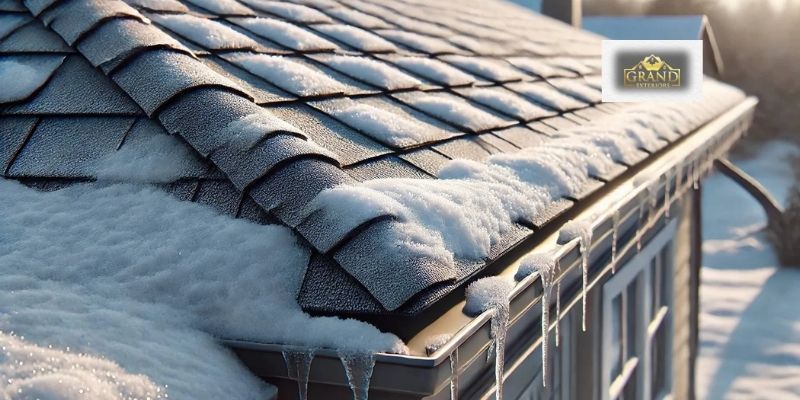
Winter roofing issues mainly comprise ice dams and snow load. Ice dams are formed as a result of the heat from your attic melting snow on the upper part of the roof. Snow that has been melted moves down but gets frozen at the cooler areas of the roof. Therefore, a dam is created that traps the water. The water that is trapped can then go under the shingles, creating leak passages, insulation deterioration, and even structural failure.
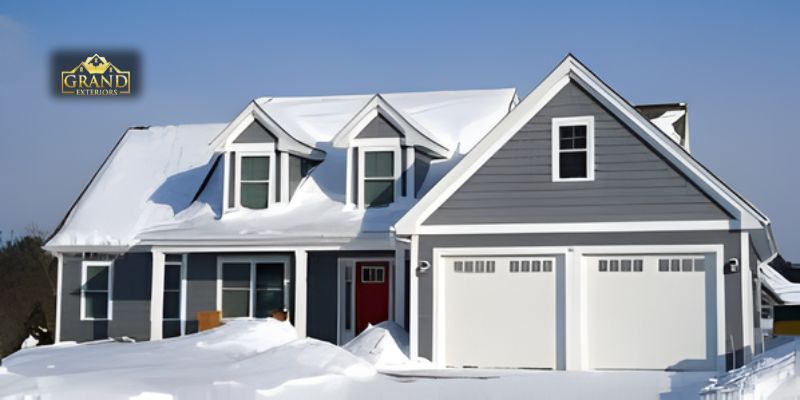
Snow damage is more obvious, but can be just as harmful. The weight of a compact snow cubic foot is greater than 20 lbs, and if that weight is applied to the entire roof area, it may happen that the structural supports will have more load than they are capable of bearing.
Prevention Tactics: Your Initial Line of Defense:
The most efficient method to deal with attic roof issues in winter is to avoid them entirely. The most important component of prevention is to engage in a full scale pre-winter inspection of the attic’s insulation and ventilation system. Insulation serves as a thermal barrier that holds heat in, and warms the roof deck. Insulation levels are based on the climate zone that you live in, and some climate zones have more insulation than the minimum recommended value. Most attics should have at least an R-38 insulation level which is 12-15 inches of fiberglass batt insulation at a minimum.
Next to insulation, ventilation basically is air moving around within the attic space. Ventilation is going to let the cold air go on circulating through the gable or roof vents and at the same time prevent the heat from leaving the attic. It is only necessary to ensure that your soffit vents are not obstructed by insulation or any other materials, and that your ridge or gable vents are operating properly. A good ventilation system is as important to maintain a consistent roof temperature, and can assist with sufficient ventilation to remove heat from the attic. This is important to manage the roof temperature to prevent heat from escaping in the form of uneven melting causing ice damming problems.
Maintenance Matters: Regular Roof Care:
It is winter season when roofs are most often stressed out. But with proper care, they can still live through the night. Among the four winter roof protection methods, regular maintenance is added to insulation and ventilation. Drainage problems do not arise when gutters and downspouts are cleaned and unclogged before winter sets in. Roof ice dams are often the result of water being trapped at the roof edge due to blocked gutters.
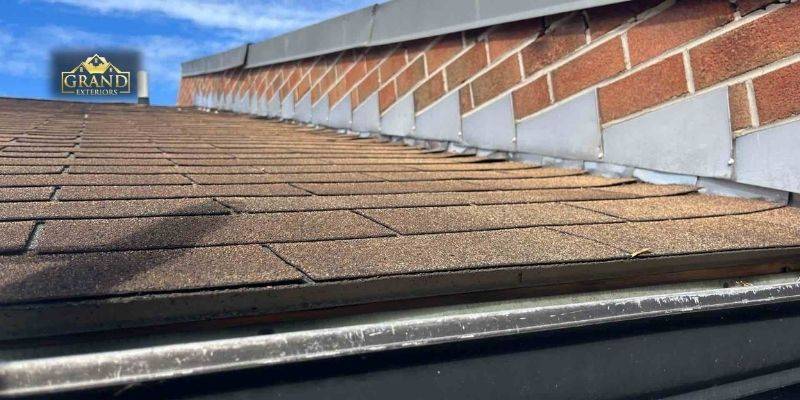
While you are already up on the ladder doing this dirty job, it is also a good opportunity to inspect your roof for any damaged or missing shingles. Small roof problems can become problematic if the roof suffers from extreme cold and snow. A professional inspector could be a wise choice if you do not feel secure on a ladder for this purpose.
Safe Practices for Removing Snow:
In the case of substantial snowfall, the removal of snow should be done carefully. A roof rake having a height-adjustable handle can be used for removing snow from the roof or for ground snow removal, which entails doing the snow removal for the first three to four feet along the roof edge.
This creates a buffer that can prevent ice damming from occurring. Do not climb up on snow covered roofs. This is very dangerous and could also cause damage to structure or material of the roof.
If you have a significant amount of ice damming despite preventive measures, address it carefully. Use a nylon stocking and fill it with calcium chloride ice melt (do not use rock salt as it will damage roofing material) and place it upright across the entire dam. This will create a channel for the water to flow through. For severe ice dams, you should consult with a professional.
When to Seek the Assistance of a Professional:
In some cases, the intervention of a professional will be necessary. If your roof has an appearance of caving in, or if you are hearing strange noises coming from it, or if you have noticed additional fissures on the walls or ceilings of your house, then, without hesitation, you should seek a roofing expert’s opinion. All these could point to a heavy snow load and repair and adjustments might be needed.
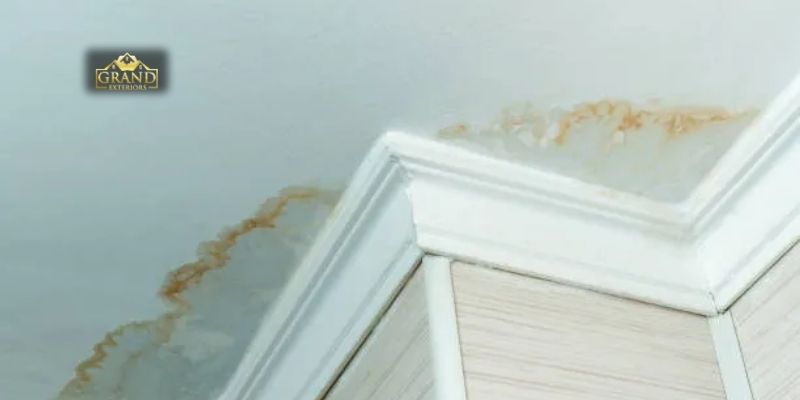
Additionally, it is a wise decision to let an expert in if there is a leak in your house that just won’t go away or if there are water stains on the ceiling. Quick action is necessary since this can lead to mold growth and damage to the structure.
Long Term Solutions For Protection against Winter Weather:
If you are a homeowner who is getting ready to replace or do a major renovation on your roof, you may want to consider options that are for defense against winter weather. Ice and water shield underlayment adds an additional layer of protection along the edges and valleys of your roof. During the winter months, the installation of heated electrical gutter cables helps to keep some of the drainage routes from freezing. If you reside in a place where there is a lot of snow, having a metal roof over your house is a good choice. In addition, the metal roofs are not only able to melt the snow fast, but they can also be made with a smooth surface.
Conclusion:
The protection of roofs in winter takes place quite a long time ago before the first snow falls. You can greatly minimize the risk of your roof getting damaged in winter if your roof is properly insulated and ventilated, and if you keep it regularly maintained and call in professionals when needed. It will be a comforting thought to have your investment protected and your home ready for winter to the maximum extent possible.
That said, taking the time to check on your roof condition year-round makes winter preparation that much easier. A roof that gets regular maintenance will not only withstand the winter but will continue to protect your home for years to come.