Key Takeaways
- Choosing the wrong contractor can cost you more in the long run
- Always verify liability insurance and workers’ compensation before the work starts
- Never pay 100% upfront—reputable contractors require 10–30% upfront
- Get all estimates in writing with specific materials, timelines, and warranties
- Storm chasers disappear after the weather clears; hire a local roofer with a permanent address and solid reviews
- A professional roof inspection catches small problems early
- Avoid pressure tactics like “sign today and save 20%”
- An annual roof inspection adds 5–7 years to your roof’s lifespan
Knowing how to choose a roofing contractor in Minnesota can make a huge difference. Roofing is a major investment, and replacing it costs a fortune. Most homeowners don’t even think about their roof until it’s too late.
Although your roof appears normal, signs of damage are starting to appear underneath. The weak structure begins to reveal potential threats through signs such as leaks, mold growth, and a stressed-out HVAC system.
To avoid this, consider hiring reliable and professional roof inspection services. However, you need to find the best Minnesota roofing contractor. Selecting the wrong contractor could cause further damage to the roof.
By the end of this guide, you will know exactly how to find a roofing contractor. If interested, let’s start exploring the qualities of a good roofing contractor!
Why Hiring the Right Roofing Contractor Matters
Below are the most compelling reasons to hire a professional roofing contractor:
Installation Quality Determines Roof Lifespan
The lifespan of your roof depends on a variety of factors, and the installation quality is one of them. A professionally installed roof (asphalt shingle) should last up to 30 years.
On the contrary, even a top-quality shingle would fail within just five years if it isn’t installed properly. So, the choice of a roofing contractor surely makes a huge difference.
Manufacturer Warranties Won’t Cover Bad Labor
Most high-quality roofing materials come with a manufacturer’s warranty. However, this warranty is valid only if the roofing shingles are installed properly. If not done professionally, the manufacturer won’t pay a dime.
To avoid this, you need to hire a roofing contractor offering a workmanship warranty. This warranty is usually valid between 5 and 10 years and covers the work performed by the roof installers.
Don’t Fall for the First Name You See
Homeowners are tempted to call the first contractor that ranks higher on a Google search. Some people also fall prey to the storm chasers who knock at their doors shortly after a hailstorm. This is the biggest pitfall that you need to avoid. Otherwise, you have to learn a lesson the hard way.
The Right Contractor Fights for Your Insurance Claim
Insurance claims are among other critical factors that demand hiring a certified roofing contractor. When you need to perform a storm damage restoration, the insurance provider pays as little as possible.
In this scenario, you need insurance claim assistance. A trusted roofing contractor like Grand Exteriors knows how to document damage and file the claim. We try our best to help you get a fair settlement.
Cheap Work Today Means Expensive Repairs Tomorrow
If you want to avoid future repairs, it’s highly recommended to hire a renowned roofing contractor with years of experience. Cheap work or a wrongly installed roof won’t last long. The improperly sealed flashing and missing nails will usually lead to leaks, mold, and rot.
Fixing these issues could cost you more than what you have saved by hiring a cheap roofing contractor. In some cases, you might be left with no choice but to go with a roof replacement. Therefore, hiring the right contractor is a decision worth making.
What Makes a Reliable Roofing Contractor?
Not every roofer with a ladder and a pickup truck is qualified to do a roofing job. To avoid being scammed by storm chasers, you need to consider the key aspects.
Here is how to choose a residential roofing contractor.
Choose a Roofer with Proper Licensing and Insurance
Licensing and insurance are non-negotiable. If a roofer is unable to provide the proof of insurance or does not have proper licensing, don’t hire them, even if they are way cheaper.
Below are the types of insurance coverage your roofing contractor must offer:
Liability Insurance: This insurance serves as protection for your property. If a worker accidentally damages your glass door or a falling shingle ruins your car, the damage will be covered via liability insurance. Without it, you either have to sue the contractor or pay out of your pocket.
Workers’ Compensation Insurance: This insurance is even more crucial. For instance, if a worker falls off your roof and receives an injury, the medical bills are claimed through workers’ compensation insurance. However, if this insurance isn’t available, the homeowner would compensate for the loss.
Local Experience and Reputation
Homes in Minnesota face the brunt of harsh weather. So, you need to hire a contractor who has already been working in Minnesota and understands climate challenges. For instance, there are snow loads exceeding 50 pounds per square foot.
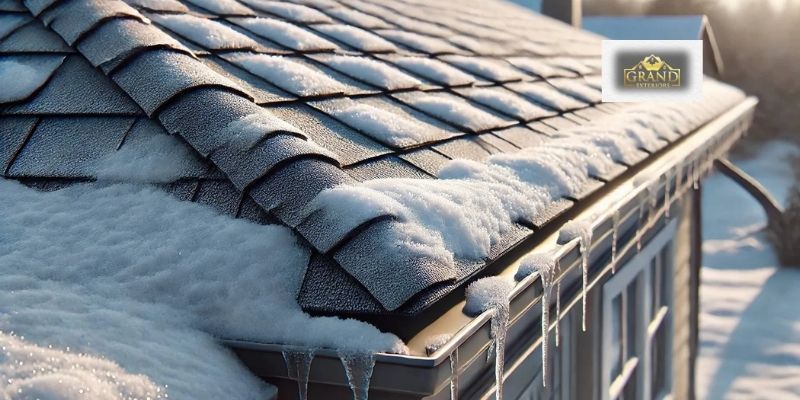
The ice dams cause water to seep through, damaging both the roof and the ceiling. Don’t forget the hailstorms and freeze-thaw cycles, which are capable of causing the shingles to crack. However, each of these challenging scenarios isn’t new for a local contractor.
They know which types of shingles perform best even in extreme weather conditions. A local roofing contractor is experienced enough to perform a hail damage roofing repair. Their years of experience give them the confidence to professionally install ice and water shield.
To play it safe, you can check the reviews of your local roofer on Google. Also, you can hear from previous customers by visiting local Facebook groups. Additionally, it’s advisable to contact homeowners who have recently hired a roofing contractor.
Strong Communication and Transparency
A trustworthy roofer will offer a detailed written estimate. Besides, they should share the most essential information before starting the project.
This includes:
- When the crew starts their work every day.
- Estimated time when the dumpster arrives.
- How will they secure the driveway and landscaping while working on the roof?
- Who will be in charge of labor?
- What strategy would they follow if the weather causes unexpected delays?
What to Expect From a Professional Roofing Contractor
Hiring a true professional ensures a stress-free and organized experience. Here is what you should expect from a reliable roofing contractor.
Inspection Process: Talking about the benefits of professional roof inspection, these are numerous. A professional roofer takes time to inspect the shingles, vents, flashing, gutters, etc. They make good use of drone technology and take photos to assess damage. If necessary, they will climb onto the roof and physically inspect the roofing material.
Project Timeline: For an average-sized single-family home, a full roof replacement usually takes 1 to 3 days. Before starting the project, your contractor should share the project timeline.
Communication: Your roofer should share daily updates via call or text message. They inform you in advance if the labor isn’t arriving. They will also show you the progress at the end of each working day.
Cleanup: Repairing or replacing a roof can create a huge mess. You would find nails in the flower beds. You might also come across broken shingle pieces sprinkled on the driveway. A professional team of roofers would thoroughly clean up all the debris and metal parts before leaving.
Red Flags to Avoid When Hiring a Roofing Contractor
Apart from learning what to look for in a roofing contractor, it’s also essential to avoid red flags. If looking for a roofing contractor, watch out for these warning signs:
Storm Chasers: After a hailstorm, you might have come across a situation where an out-of-state roofing contractor knocks at your door. These “storm chasers” usually offer low prices, but the quality of work isn’t on par with the industrial standards. So, it’s always better to hire a local roofing contractor with a permanent address.
Vague Contracts: If a contractor hesitates to specify the type of underlayment, the brand of shingles, or the cleanup details, it indicates a vague contract. So, avoid signing it.
No References: A reliable and trustworthy roofer would be more than happy to provide details from recent customers. However, contractors without a pool of happy customers would avoid sharing such details. If the roofer doesn’t offer references, simply walk away.
Pressure Tactics: “I have another customer waiting, so decide now!” or “Sign today and get 20 percent off!” These are among the most common pressure tactics. A legitimate contractor won’t force you to enter into a contract. Instead, they will give you enough time to think and act accordingly.
The Benefits of Professional Roof Inspections
Once you know how to choose a roofing contractor in Minnesota, it’s time to take a look at the advantages of hiring a qualified roof inspector:
Early Issue Detection: Small issues are easy to fix and cost less. Replacing a cracked vent pipe or a missing shingle doesn’t cost much. However, if you ignore small problems like these, it could turn into bigger issues. As the water gets into the ceiling, the wood starts to rot, causing some serious damage to the roof.
Storm Damage Identification: After a massive hailstorm or windstorm, it’s not possible to completely assess the damage by standing on the ground. A professional can easily identify dents and bruises in the shingles, which leads to water leakage.
Insurance Documentation: An experienced team of inspectors analyzes the damage and takes photos to collect the evidence for the insurance claim. The damaged area is marked to make it prominent and easy to identify. It allows the adjuster to get your claim approved without any hassle.
Extending Roof Lifespan: Through regular inspection and maintenance, a roof can last longer. By simply replacing a couple of broken shingles or repairing a vent, you can add 5 to 7 years to a roof’s expected lifespan.
Why Local Minnesota Roofing Experience Matters
Roofs in Minnesota face one of the toughest conditions of any other state. That’s why the question “How to choose a roofing contractor in Minnesota” becomes more relevant for homeowners.
Also, you can’t hire any other roofing contractor. You need to rely only on a local roofer with years of experience. Here are the most compelling reasons to do so:
Snow Loads: Minnesota receives heavy snow each year. Therefore, the roof you intend to install should be strong enough to support that weight. This is the area where the expertise of local roofers comes in handy. They know exactly what type of material would survive Minnesota’s harsh weather.
Freeze-thaw Damage: Water trapped in the flashing and shingles expands upon freezing. This results in creating huge cracks, exposing delicate areas of the roof. The thaw-freeze cycle slowly destroys the roof over time. Local contractors know how to install flashing and sealants.
Hailstorms: Minnesota’s hailstorms are devastating. The golf-ball-sized hail can rip off asphalt shingles within minutes. Only a local roofer knows what type of shingles offers the maximum resistance. Most importantly, they document hail damage professionally, making it easy to receive your insurance claim.
Insurance Claims and Storm Damage Roofing
Claiming roof damage costs from an insurance company can be overwhelming. However, a trusted roofing contractor will assist and guide you through almost every step of making such a claim.
Documenting Storm Damage
To start with, it’s important to document the roof damage yourself. Make videos and take photos of the damage. You can do this from the ground or use a ladder to get a better view of the roof.
Also, note the time and date of the storm. It’s also advised to save the weather reports if possible. Call the roofing contractor for a professional inspection. Once you have done your homework, it’s time to call your insurance company.
Working with Adjusters
To assess the damage, your insurance provider sends an adjuster. During this visit, it’s better to have your contractor with you. You need to do this for your own benefit. For example, if the adjuster underestimates the cost or fails to record the damage, your contractor will intervene and help you get a fair estimate.
Contractor Support During Claims
An experienced roofing contractor understands your policy and will guide you regarding the deductible and insurance coverage. In most cases, they will also handle the supplement process. For instance, a contractor can submit additional documentation if the adjuster misses something.
How to Compare Roofing Estimates
To get a better idea of the actual cost of roof damage repair or replacement, it’s advisable to get at least 3 estimates. The next step is to compare these estimates. To help you with this, here are the aspects to consider when making a comparison.
Materials: Take into account the quality of the roofing material your contractor will use. Usually, estimates of a contractor offering high-quality material are on the higher side. On the contrary, the estimated cost could go down if cheaper materials are used.
Labor Scope: A layover (installing new shingles over old) is relatively cheaper than a full tear-off. However, if the roof structure isn’t strong enough to support layover, there is no other option but to remove the old shingles.
Warranties: Consider both the workmanship warranty and the manufacturer’s warranty. The longer the workmanship warranty, the better.
Payment Schedule: The upfront payment should be between 10-30% for roof repair. If a contractor asks for full payment, it’s better to quit.
Hidden Costs: The estimate must include costs such as permit fees, dump fees, and new flashing. Some contractors don’t include these costs in their estimate to keep it as low as possible.
Final Checklist Before Hiring a Roofing Contractor
Struggling to find the best Minneapolis roofing contractor? To make things simple for you, we have created this scannable bullet list. Simply go through it before hiring a roofing contractor:
- Verify the contractor’s state license. Make sure it’s active and in good standing.
- Review the liability insurance and workers’ compensation certificate.
- Ask for at least three local references.
- Take time to read online reviews on BBB, Google, and social media.
- For how many years have they been working in your area?
- Get a detailed written contract.
- Confirm the workmanship warranty (Minimum 5 years).
- Settle the payment schedule.
- Inquire about cleanup details.
Conclusion
Choosing a reliable roofing contractor is among the most crucial decisions for homeowners. The difference between a storm chaser and a trusted pro is huge. It not only hurts you financially but also compromises the safety of your home and your family.
A professional roofing contractor protects your investment by installing a high-quality roof. A properly installed roof could last for decades, ensuring your peace of mind. In addition, inspections also play a key role in extending the lifespan of a roof.
By identifying and fixing small problems, you can prevent causing expensive damage to your roof. Professional inspection is critical, especially in Minnesota’s harsh weather conditions.
If you have concerns about the condition of your roof, get in touch with our team for a no-pressure inspection. With this, we hope to have answered your question ‘How to choose a roofing contractor in Minnesota’. For further queries, feel free to contact us today!