When it comes to increasing the value of your home, few investments are as important as a quality roof. Often overlooked in favor of more visible upgrades, the roof is a crucial component that not only protects your home but also contributes to its aesthetic appeal, energy efficiency, safety, and overall worth. But the question is: “Does a new roof increase home value?” In many cases, yes. A new or well-maintained roof can make a home more attractive to buyers, reduce concerns about immediate repairs, and contribute to the property’s overall condition and market appeal. Professional roofing contractors can help homeowners choose quality materials and ensure proper installation so the roof performs as expected for years to come.
In this blog, we will explore the different ways a quality roof can contribute to your home’s value, from improving curb appeal and energy efficiency to providing better protection and long-term durability.
1. Improved Curb Appeal
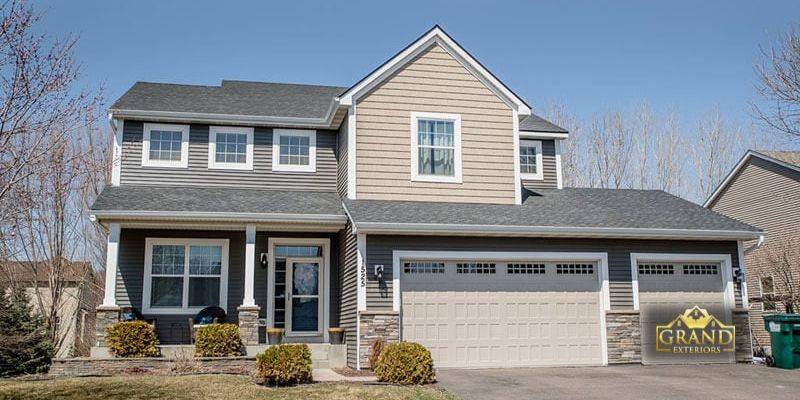
First impressions matter, and your roof is one of the largest and most visible parts of your home’s exterior. A new, well-maintained roof can dramatically improve your home’s appearance and make it more attractive to potential buyers.
The right roofing material, color, and style can complement your home’s architecture and create a more cohesive exterior. A clean, modern roof can make an older property look better maintained, while damaged, stained, or visibly worn roofing can make buyers question the condition of the rest of the home.
This is one reason how does roofing impact curb appeal is an important consideration when evaluating a roof replacement. Although curb appeal does not determine a property’s value by itself, a well-maintained exterior can influence a buyer’s first impression and overall perception of the property.
2. Greater Energy Efficiency
Modern roofing materials and installation methods can help improve your home’s energy efficiency. Depending on the roofing system, insulation, ventilation, and other components, a properly designed roof can help regulate indoor temperatures and reduce the amount of energy needed for heating and cooling.
Energy-efficient roofing may include reflective materials, cool roofing products, improved insulation, and proper attic ventilation. These features can help reduce heat transfer through the roof and contribute to a more comfortable indoor environment.
For homeowners considering whether will a new roof increase home value, energy efficiency is an important factor to consider. Lower operating costs and improved comfort can make a property more appealing to prospective buyers, particularly when energy efficiency is an important consideration in their purchasing decision.
3. Increased Longevity and Durability
A high-quality roof installed correctly can provide reliable protection for many years. Modern asphalt shingles, metal roofing, tile, and other materials are designed to withstand a range of weather conditions and, when properly maintained, can reduce the frequency of repairs and premature replacement.
A newer roof also gives homeowners greater confidence that they will not immediately face a major roofing expense after purchasing a property. This can be particularly valuable when selling a home because buyers may be more comfortable investing in a property with a roof that has substantial remaining service life.
In this sense, new roof home value is not simply about appearance or an immediate increase in a home’s price. The condition and expected lifespan of the roof can also influence how buyers perceive the overall condition and future maintenance needs of the property.
4. Warranty and Added Peace of Mind
Professional roofing contractors and manufacturers may offer warranties covering certain roofing materials and workmanship. The specific terms vary depending on the manufacturer, product, contractor, and installation.
A transferable warranty, where available and permitted under the warranty terms, can be an additional benefit when selling a home. Buyers may appreciate having some level of continued protection after the purchase.
More importantly, a newer roof can reduce concerns about immediate roofing repairs. When buyers see a roof that has been recently installed and properly maintained, they may have fewer reasons to anticipate major roofing expenses in the near future.
5. Improved Safety and Protection
An aging or damaged roof can create problems that extend beyond the roof itself. Leaks can contribute to water damage, mold or mildew growth, damaged insulation, deteriorated decking, and other structural concerns if they are not addressed.
Replacing a severely deteriorated roof can help eliminate these potential problems and provide better protection for the home’s interior and structure.
A new roof can also provide improved resistance to weather-related damage when appropriate materials are selected for the property’s climate and installed according to manufacturer requirements. This is particularly important in areas exposed to strong winds, hail, heavy rain, snow, and other severe weather conditions.
6. Modern Roofing Technology and Materials
Today’s homeowners have access to a wider range of roofing materials and technologies than in the past. Depending on the property and budget, options may include impact-resistant shingles, metal roofing, solar-integrated roofing products, improved underlayment systems, and other modern roofing components.
These improvements can provide benefits related to durability, energy efficiency, weather resistance, and appearance.
Choosing the right roofing system is important because not every material is appropriate for every home. Factors such as local climate, roof design, structural requirements, maintenance needs, and budget should all be considered before making a decision.
7. Potential Increase in Home Value
One of the biggest questions homeowners have is whether does a new roof add value to a home in a measurable way. A new roof can contribute to a property’s value, but the amount will vary depending on factors such as the home’s location, existing roof condition, roofing material, quality of installation, local buyer expectations, and the overall real estate market.
A new roof should not necessarily be viewed as an improvement that returns every dollar spent through an equivalent increase in the home’s sale price. Instead, its value can come from several factors working together: improved appearance, reduced maintenance concerns, better protection, longer remaining roof life, and greater buyer confidence.
For homeowners considering roof replacement home value, the condition of the existing roof is especially important. Replacing a severely deteriorated roof may help protect the property’s marketability and prevent the roof from becoming a major objection during a sale.
8. Protection From the Elements
A roof’s primary purpose is to protect the home from the elements. Rain, snow, wind, hail, ice, and changing temperatures can all place significant stress on roofing materials over time.
A properly installed and maintained roof helps protect the structure and interior of the home from water intrusion and weather-related damage. It can also help protect insulation, walls, ceilings, flooring, and personal belongings from problems caused by roof leaks.
For homeowners considering a replacement, the question is not only how a new roof adds value to your home, but also how it helps preserve the value that already exists. Preventing or reducing damage to other parts of the property can be an important part of the overall financial benefit of maintaining a sound roofing system.
9. Compliance With Building Codes and Roofing Requirements
Professional roofing installation should follow applicable local building codes, manufacturer requirements, and other relevant regulations. Proper compliance helps ensure that the roofing system is installed safely and appropriately for the property.
This can become particularly important when selling a home. Buyers may be more comfortable with a professionally installed roof when there is appropriate documentation and evidence that the work was completed in accordance with applicable requirements.
Working with an experienced roofing contractor can also help homeowners understand local requirements and identify potential issues before the project begins.
10. Enhanced Living Comfort
A properly insulated and ventilated roof can contribute to a more comfortable indoor environment. Adequate attic ventilation and insulation can help manage heat and moisture, while an effective roofing system can provide better protection from outside weather conditions.
A roof replacement may also provide an opportunity to address underlying issues with ventilation, insulation, flashing, or other roofing components.
These improvements may not always translate directly into a specific dollar amount added to the home’s value, but they can improve the overall ownership experience and make the property more appealing to prospective buyers.
Does a New Roof Provide a Good Return on Investment?
Homeowners often ask about roof replacement return on investment, particularly when they are considering replacing a roof before selling their property.
The answer depends on the circumstances. A roof replacement is not necessarily a dollar-for-dollar investment in terms of the amount spent versus the eventual increase in sale price. However, the financial benefit can extend beyond the home’s final selling price.
A new roof can improve the property’s appearance, address visible deterioration, reduce the likelihood of immediate repair expenses, and give buyers greater confidence in the condition of the home. In some situations, replacing an old or damaged roof may also prevent the property from losing appeal compared with similar homes that have newer roofing systems.
The potential return should therefore be evaluated alongside the roof’s current condition, the expected remaining lifespan, local market conditions, and the cost of replacement.
How Much Does a New Roof Increase Home Value?
There is no single amount that applies to every home. How much does a new roof increase home value depends on numerous factors, including the property’s location, size, roofing material, quality of installation, age and condition of the existing roof, and current market conditions.
The impact can also differ depending on whether the existing roof is simply aging or has significant damage. Replacing a roof that is visibly deteriorated may have a different effect on buyer perception than replacing an otherwise functional roof that still has years of useful life remaining.
For this reason, homeowners should consider the broader benefits of a roof replacement rather than relying on a single estimated dollar figure.
What About Resale Value?
A new roof can contribute to new roof resale value by making the property more attractive and reducing concerns about a major upcoming repair. Buyers evaluating two otherwise comparable homes may consider the age and condition of each roof when determining which property better fits their budget and expectations.
A newer roof can also make it easier for buyers to focus on other aspects of the property instead of immediately calculating the cost and inconvenience of a future roof replacement.
However, the actual effect on resale value will vary from one property and market to another. A roofing replacement should therefore be viewed as one component of the home’s overall condition rather than a guaranteed increase in selling price.
Final Words
So, does a new roof increase home value? A new or well-maintained roof can contribute to a home’s value by improving curb appeal, energy efficiency, durability, safety, weather protection, comfort, and buyer confidence. The exact financial impact varies from one property to another, but a quality roofing system can play an important role in protecting both a home’s physical condition and its market appeal.
Whether you are preparing to sell or simply planning for the long-term ownership of your property, evaluating your roof’s condition is an important part of maintaining your home’s value. A professional inspection can help determine whether repairs, maintenance, or a complete replacement makes the most sense for your situation.
By investing in quality materials and professional installation when replacement is necessary, homeowners can protect their property while potentially improving its appeal to future buyers. Understanding the relationship between roofing and home value can help you make a more informed decision about one of the most important components of your home’s exterior.