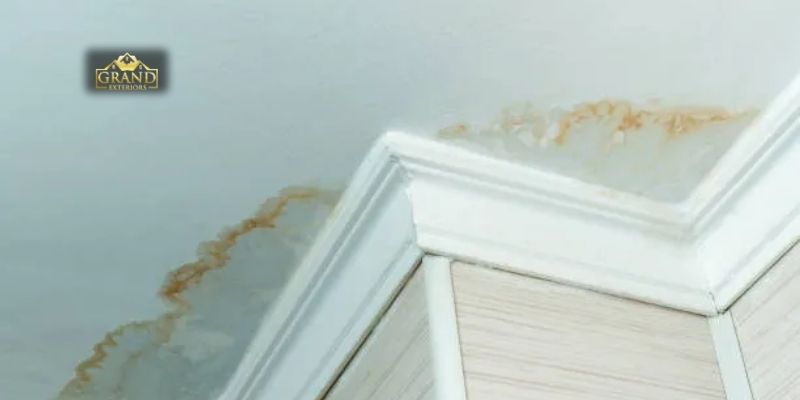
Often, we think of a roof in a straightforward manner- a structure over our head, an arrangement of overlapping shingles to keep the rain off us. But if you look closely enough, a roof is a unique, complicated, and interdependent system. A roof always works as a system or unit, and usually, when something goes wrong, the issue does not remain on the exterior side of the roof. A single persistent leak in, for example, a slate roof, may eventually lead to stained ceilings, warped floors, toxic black mold, and may negatively impact the structural and financial integrity of your home.
It is widely understood that leaks are part of the roofing game, and if they happen, they can often be a simple repair. The reality is that a substantial amount of water damage on the interior is avoidable. Not with crazed caulking or emergency tarping, but by thoughtful and tactical choices that address the roof system from the onset.
Selecting the correct roofing system is more than an aesthetic choice; it is a critical investment in the long-term protection of your assets.
Here is how a good roofing system is your best defense to everything beneath it.
The Beginning of Every Roof System—The Unsung Champion of Underlayments:
To start with, the roof underlayment is laid down and it creates a moisture barrier of the first kind. Imagine this underlayment as the secret, second line of defense for your home. The shingles are taking the brunt of the storm with rain and hail while the underlayment is silently but effectively dealing with the roof’s hidden moisture traps.
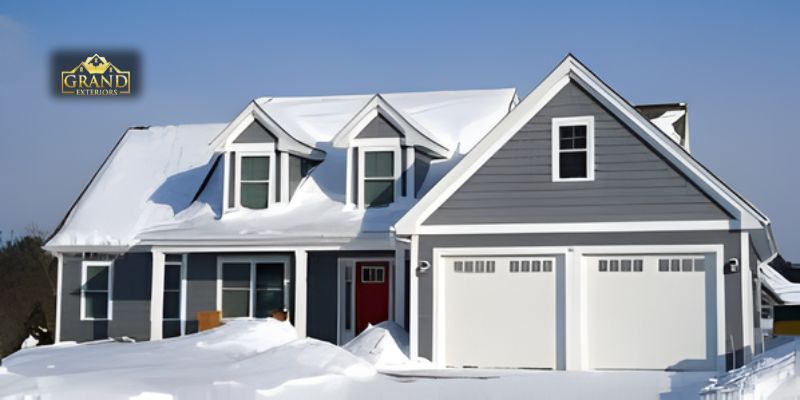
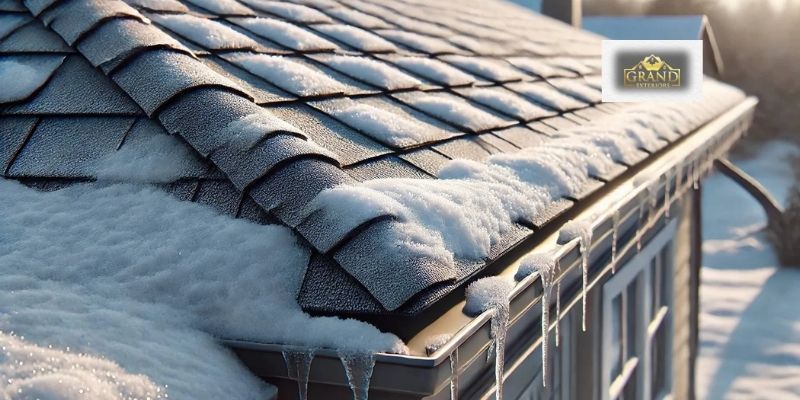
When the wind-driven rain gets under your shingles on the roof or the ice dam pushes that water back up the roof plane, the underlayment is your last line of defense to stop water from getting through to your vulnerable wood decking. Synthetic underlayments today are tear-resistant, waterproof, and much more durable than tar paper, which were used for quite a long time. So, it is like a tough waterproof shell under your rain jacket to keep you dry even if the outer layer fails.
The Importance of Materials: A Question of Appearance:
The roofing material used has a direct effect on how well water is shed and how long the system will remain intact.
- Architectural Asphalt Shingle: An architectural shingle is a step above a traditional 3-tab shingle. They are engineered to create a dimensional profile that provides greater channels for water flow, while also incorporating stronger sealants to provide a stronger resistance to wind uplift. Wind uplift is common, and the leading cause of shingle failure which leads to leaks.
- Metal: A metal roof is an example of perfect water management! Its large, interlocking panels and slick surface to shed water (and snow) is remarkable. When installed correctly, it creates a near-seamless barrier, which provides nearly endless opportunities for water to go anywhere you do not want it to go!
- Slate and Tile: These solid materials are noted for their legendary longevity, and with good reason. When installed properly, their overlapping fit, along with their weight, provides a stout and durable coverage that will last for generations.
Each material has its strong points, but the key point in this case is that quality materials are designed to work together to create a cohesive drainage plane that sheds water away from your structure more efficiently.
The Devil is in the Details: Flashing the Master Seal:
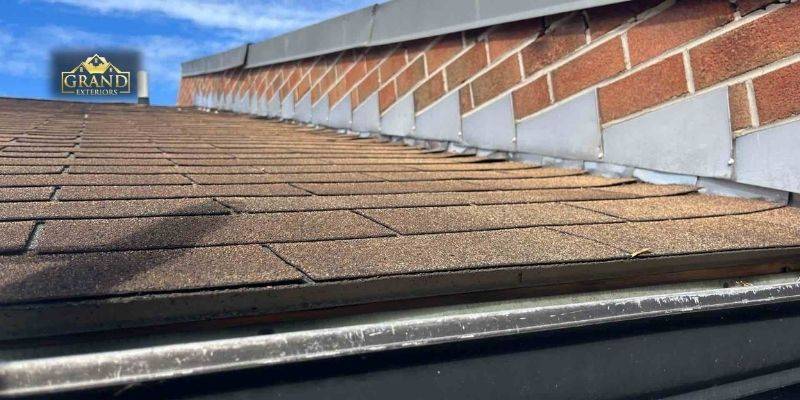
If shingles are the castle walls, then flashing is the armor at every weak point. Roofs have projections—such as chimneys, vents, skylights, and where the roof meets the walls. These projections are the weak points on your roof, and almost all of the leaks happen here, regardless of the quality of shingles used.
Flashing is the art of creating watertight seals with pieces of metal (aluminum, copper, or galvanized steel) that thoroughly finish off the underlayment and seal-off the shingles. The “right roof” means a roofing contractor is one who does not cut corners, knows how to step-flash around a chimney, and uses a modern ice and water shield—a self-adhering waterproofing membrane—at eaves and valley conditions on your roof where ice dams will develop.
The Human Element: Why Installation Matters:
You can choose the best material in the market, but it will fail if the work is completed improperly. The proper roof is not separate from the proper roofer.
A true craftsman knows about pitch, drainage, and ventilation. A true craftsman knows how to nail a shingle with proper pressure and placement to do so without cracking the seal or leaving a point of potential future leakage. They ensure the attic is properly ventilated to diffuse the build-up of heat and moisture that may eventually rot the roof structure from the inside-out or add to the likelihood of an ice dam.
Conclusion: The Long-Term Perspective: An Investment in Security
At its core, selecting the right roof is all about security. It is the security you rely upon when the wind is howling and the rain is pouring. It is the security of knowing each layer of your home’s protection—from the underlayment to the flashing to the shingles—is doing its job and is in sync with all the other layers.
The real security is knowing you have not purchased just another product, but a system that has undergone years of performance testing to withstand the test of time for your sanctuary for decades to come. You are defending against the slow, unseen, and incredibly expensive damage that starts with a drip, and ends in a complete renovation.
So, look up at your roof. Consider it a highly complex and multi-dimensional defense system. Therefore, it is recommendable to make a careful selection when your roof needs replacement. Your house, wallet, and future self will appreciate your decision.