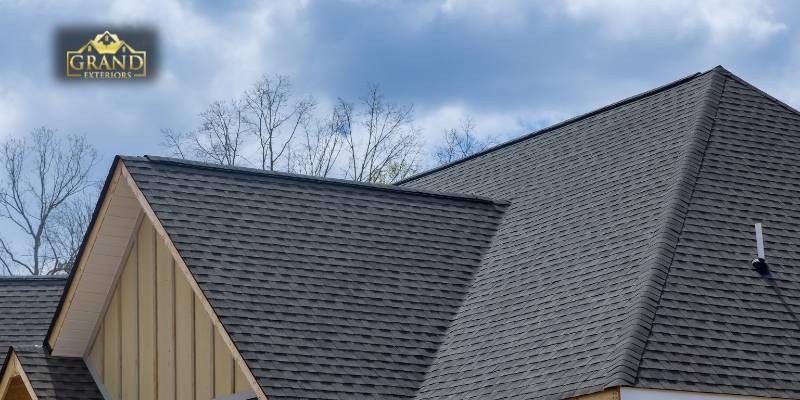
Asphalt is among the most popular types of roofing used on homes. This is attributed to the fact that it is a long-lasting and attractive material. They, however, like any roofing system, will need to be maintained so that they are at their best. This blog provides a season-by-season guide on how to maintain your asphalt roof.
Understanding Asphalt Roofs
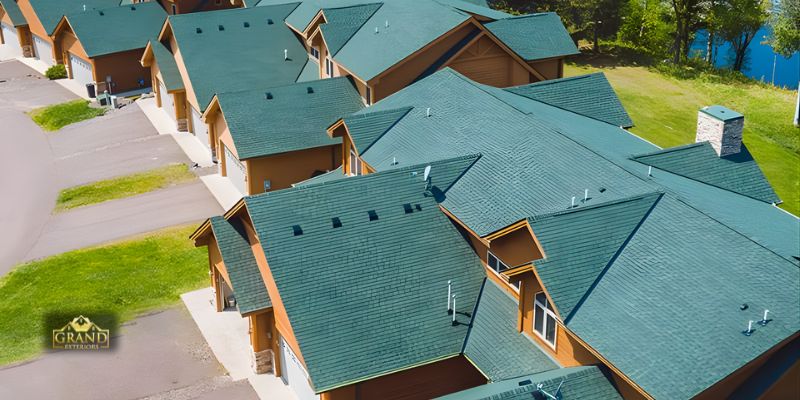
One of the most popular roofing systems in residential houses is an asphalt shingle roof. It is made from a mat of fiberglass or organic material with asphalt and mineral granules for extra protection and a distinctive appearance. Some of the reasons asphalt shingles are popular are:
- Affordability- cost-effective material and installation
- Durability – Can resist all types of weather
- Aesthetic Appeal- It is available in many colors and designs
When well-maintained, asphalt roofs last up to 20-30 years. Nevertheless, there is a danger of leaks, loss of granules, the growth of algae, and wear and tear due to the failure to perform regular maintenance.
Season Maintenance Checklist
Asphalt roofs need maintenance when the season changes. A homeowner can avoid such long-term damage, extend the service life of the roof, and avoid costly repairs using a seasonal strategy that requires careful planning.
1. Spring Maintenance
Spring is the right time to check your roof and see the extent of damage left behind by the cold weather at the end of winter. Begin the visual inspection, in which you look out for curled or cracked shingles, loose flashing, and any sign of granule loss.
Winter storms may litter the roof and gutters with such debris as branches and leaves that should be cleared as soon as possible to avoid water accumulation. Your attic should not be ignored, because it can have mold and moisture or any kind of leakage that happened during the winter but was not noticed.
2. Summer Maintenance
UV rays and heat in the summer can put a strain on your asphalt roof. First of all, you may examine the possibility of damage caused by the sun, i.e., the discolored or chipped shingles, which can be even more vulnerable to cracking. These issues undermine the protective shield that the roof is and must be repaired as soon as possible.
Next, check the attic ventilation that must enable sufficient air to circulate to avoid serious heat accumulation, which will escalate the cooling cost of your house. Downspouts and gutters should also be tested and cleaned to make sure that there is free movement of water away from the foundation.
3. Fall Maintenance
Fall is the season of preparations. Leaves will begin to fall, and even before you know it, the gutters and valleys will be full and thus cannot even drain the water. The roof, gutters, and downspouts should be made clear so as to facilitate drainage. Check on the flashing on chimneys, skylights, and vents, and caulk or seal at areas where there is evidence of separation or wear.
Before winter arrives, all loose or broken shingles should be reinforced or protected to prevent snow and ice from entering the roofing materials. In case you live in a place that is prone to snow, then you can procure heating cables on the edge of the roof and also in the gutters in order to avoid the occurrence of ice dams.
4. Winter Maintenance
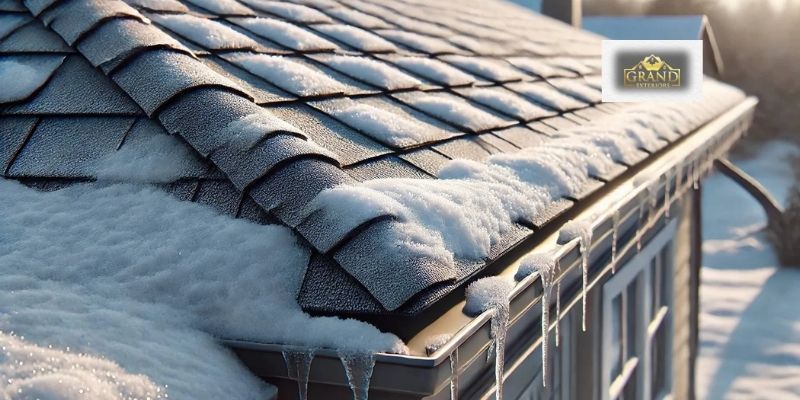
Winter is also a challenging season to asphalt roofing, especially in snow-heavy and icy regions. Inspect roof after a storm safely by viewing it either on the ground or with binoculars to look at ice dams, icicles, and snow accumulation. These can cause the water to back up behind these shingles, resulting in leakages.
Tenderly remove severe snow using a roof rake–never, in any event, walk on a frozen roof. Check the ceilings and attics to see whether there is a water stain or a musty smell that may point to an active leak. When the surface is frozen or icy, it is dangerous to carry out DIY repairs since the surface is weak and dangerous.
Year-Round General Maintenance Tips
- Hire a roof inspector to check it once a year at least
- Avoid the growth of moss and algae on the roof
- Minor problems should be repaired before they become significant problems
- Record and track repairs or changes
Signs Your Asphalt Roof Needs Attention
- Curling or Missing Shingles – Damaged, curled, cracked, or missing shingles leave your roof exposed to water, which causes leaks and other damage to the shingles.
- Dark Streaks or Moss Growth – Dark streaks or moss is a sign of a trap for moisture and possible algae formation, resulting in shingle weakening and lowering the total life of the roof.
- Granules in the Gutter – The discovery of too many granules in gutters is an indication of wear and age of shingles, and this decreases the capacity of your roof to withstand UV rays and water.
- Sagging Roofline or Soft Spots – A drooping roof or spongy ground could be an indication of a structural fault or water penetration below the surface that needs to be handled urgently.
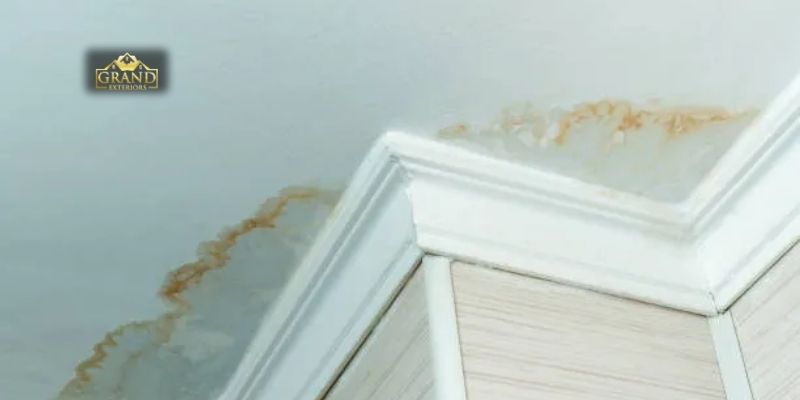
- Stains on the Walls or the Ceilings of Water – Internal stains usually show the presence of roof leaks. Otherwise, they may cause the growth of molds, destruction of insulation, and weakened structural elements.
When to Call a Roofing Professional
- Significant Storm Damage – When a heavy storm causes destruction, the best solution is to conduct a detailed inspection that can detect all damage that is not visible. Correct them before they cause further damage to the interior and lead to leaks.
- Large Leaks or Structural Issues – Having a significant amount of water infiltration or any kind of structural failure requires professional inspection. This prevents serious damage and subsequent costly repairs to the residence..
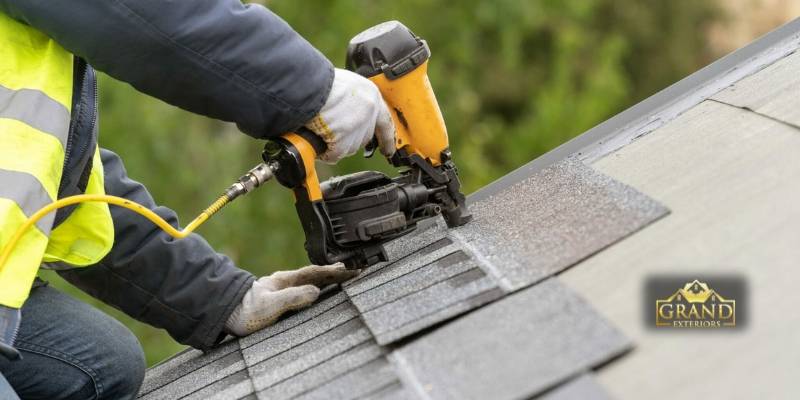
- Replacing Multiple Shingles Regularly – Replacing the shingles frequently is usually a sign of problems. An expert will have the opportunity to assess the condition of the roof and propose more effective long-term choices.
- Annual Inspection and Maintenance Plans – A yearly professional care guarantees early problem diagnosis, the maximum service life of the roof, and your house against unpleasant surprises.
Conclusion
The secret to a strong, leak-free asphalt roof is year-round maintenance. With a bit of seasonal care and awareness of when it’s time to turn to the experts, you will keep your investment safe and avoid unnecessary and expensive surprises. To have your roof inspected, repaired, or a plan created to fit your needs, contact Grand Exteriors today for roofing protection.